
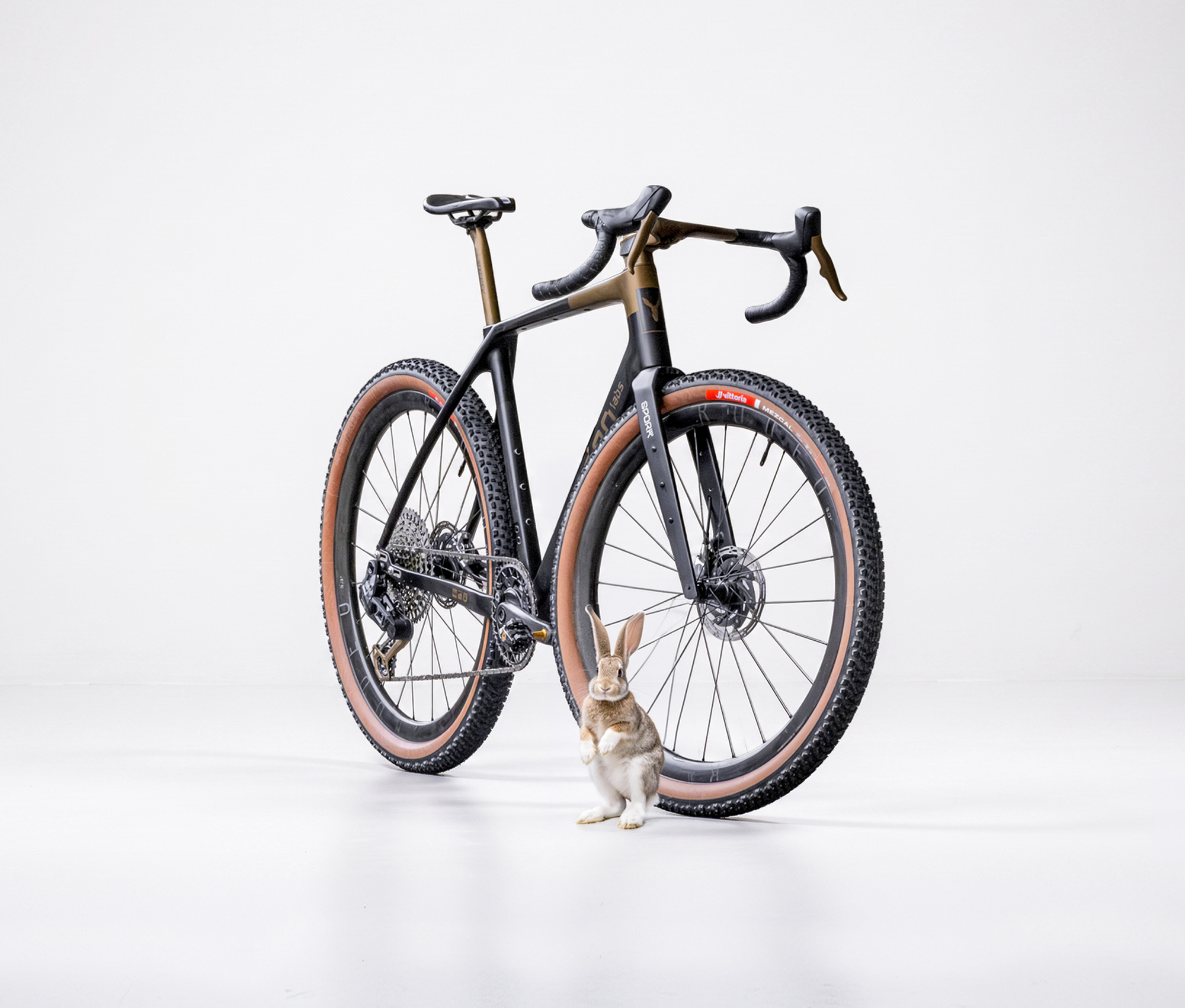
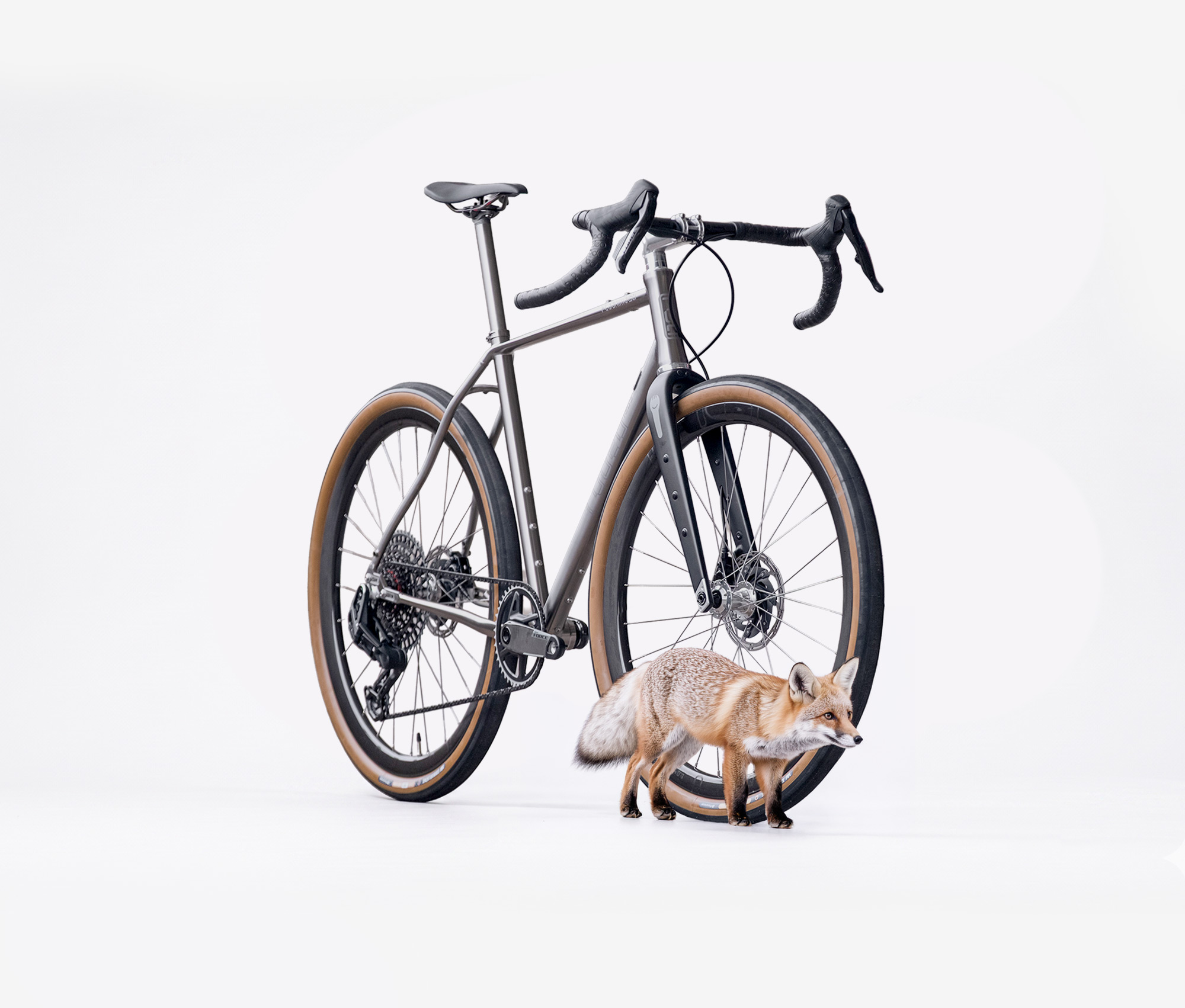
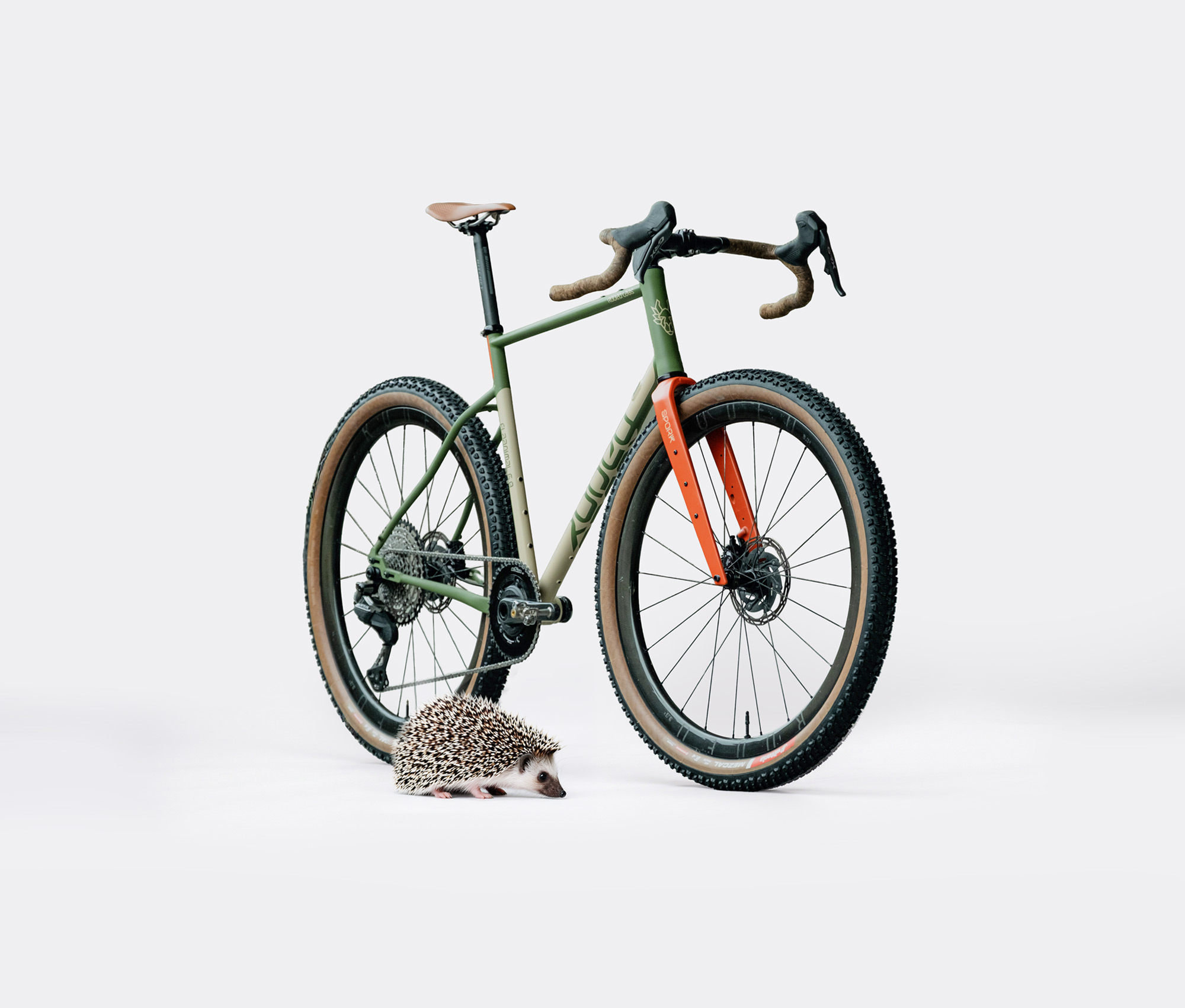

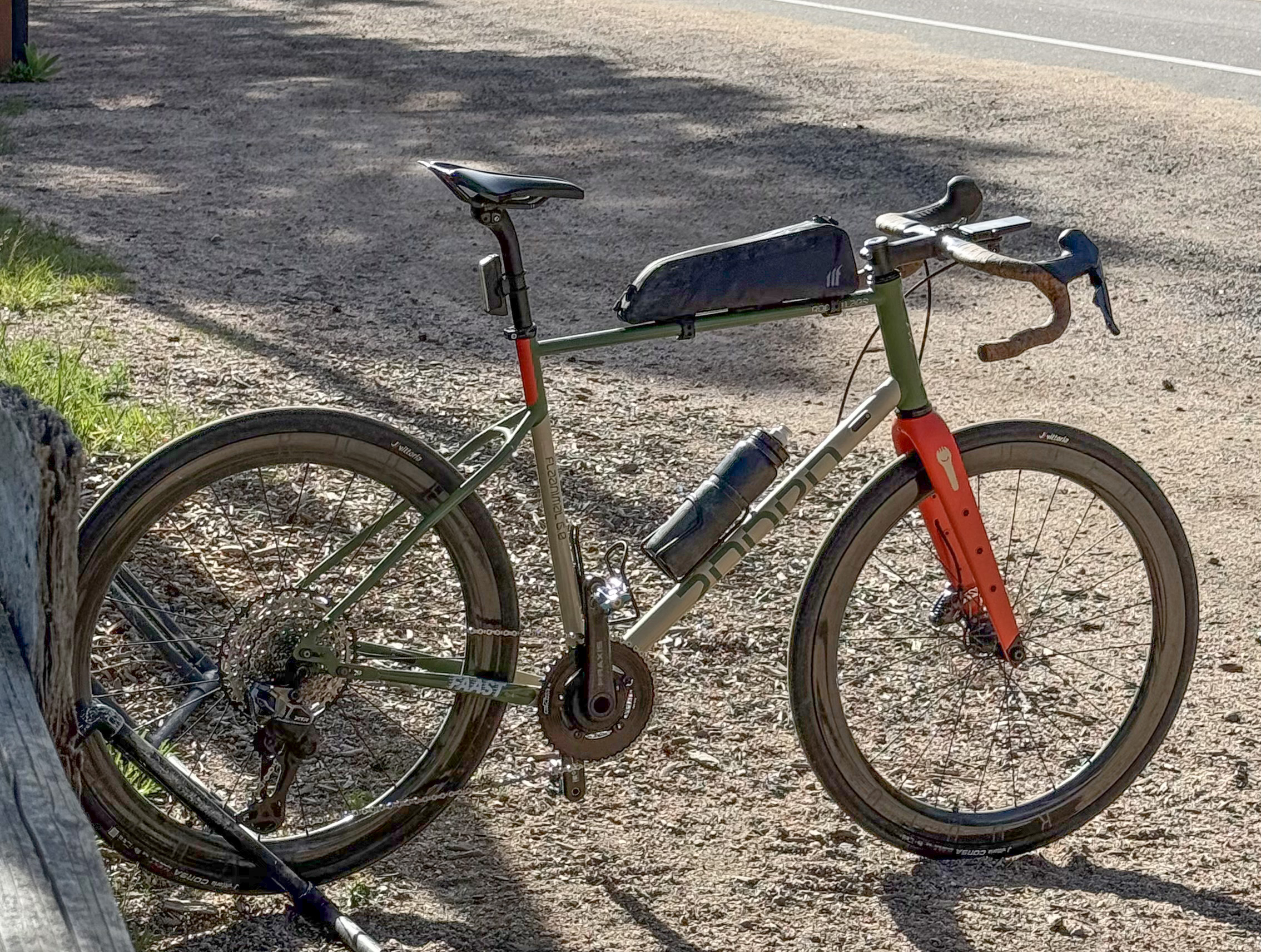
Just today in the Rodeo Labs service course, the first customer Flaanimal 6.0 Steel build wrapped up, and everyone here at The Lab stepped back to appreciate it. After years of development and a lot of waiting, the bike is now real, and ready to be out in the wild with customers and riders who will write it’s story. Flaanimal 6.0 Steel won’t start shipping en-masse before late July because most customers are opting for Spork 4, which arrives late July. For those that ordered with Spork 3, 6.0 starts now.
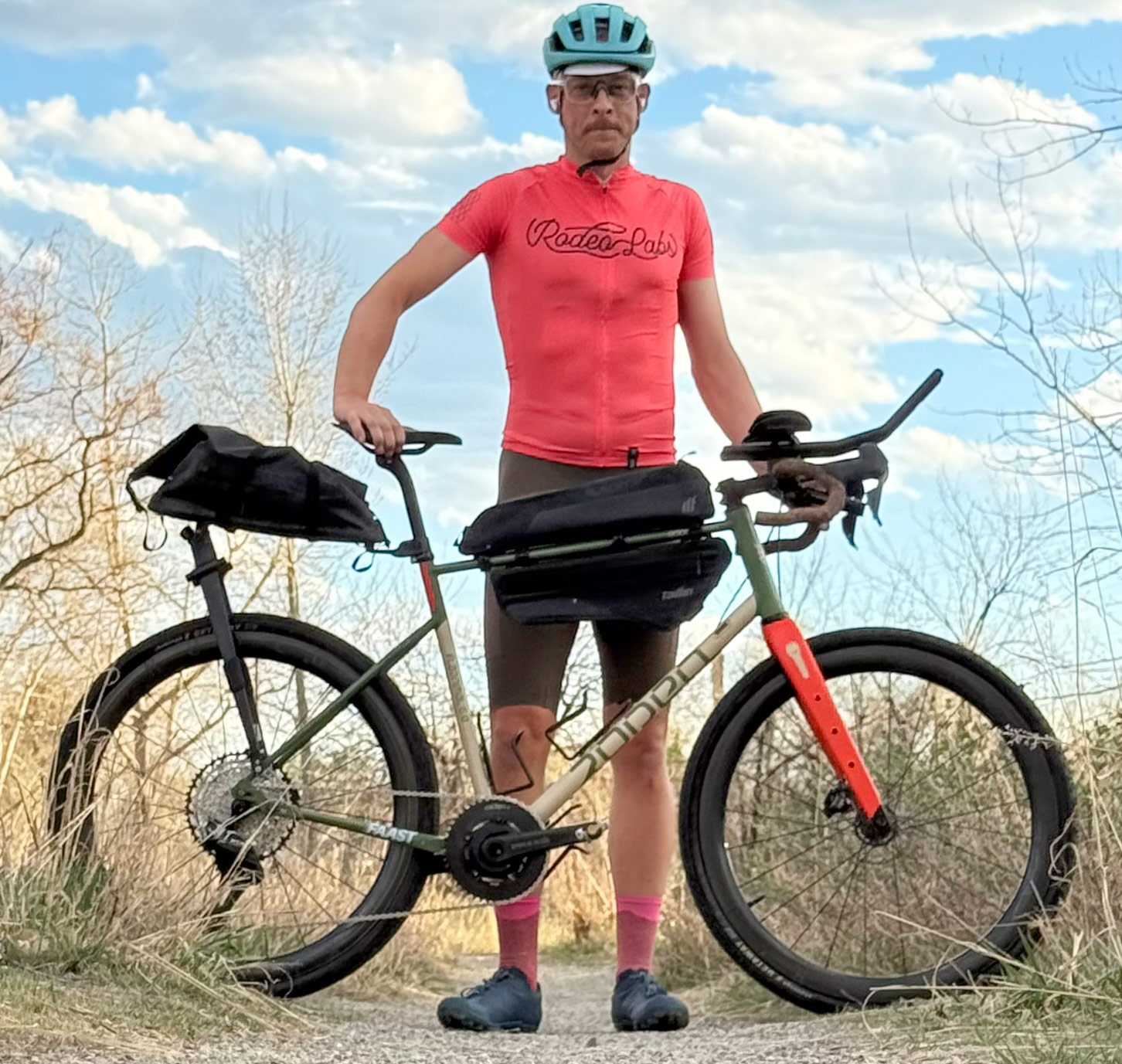
In the months since launch I’ve personally fielded a good amount of customer questions and conversations about the bike, and I’ve been taking note of the impressions that the bike makes in people’s minds. I’ve been riding Flaanimal 6.0 Steel for seven months now, across nearly every genre, and nearly every distance (within reason). During that time I’ve been listening carefully to the bike. How does it feel to me? Where is it most at home? Who is this bike best for? As always, the answers always come through riding. According to Strava, I’ve got 2,135.5 mi or 3436km on Flaanimal 6 so far this year. With that in mind, I want to share what I’ve learned about the bike in all that pedaling.
Before we get going, here’s my absolute promise and commitment: I will not lie or hype the bike past what I’ve experienced. Yes, I did start this company and I am incredibly proud of this bike, but my goal here is to give you impressions as a rider, not as someone who just wants to sell you a bike. The contrary is quite true: Rodeo does not want to sell any of our bikes to any person who is not a match for what each of our bikes are about. That customer would not be satisfied, and the long term harm to the customer and our brand would supercede any short terms sales gain. I will say positive things when I want to say positive things, and it’s up to you to decide if you find me believable or not.
With that in mind, let’s go!
Flaanimal 6.0 steel compared to Flaanimal 5 steel: How does it feel?
A lot of people who are reading this might have had or have a Flaanimal 5.0, and they’ll be curious how the two compare. Flaanimal 5.0, despite it’s steel + carbon construction and unconventional dropout and chainstay design, felt a lot to me like one would expect from a steel bike. The frame had a certain amount of compliance that steel allows, and it had the planted heft of a steel frame. I say that last part affectionately, because while ultralight bikes are rad, they can be skittish and be tossed about in rough terrain or high speed in a way that a steel frame isn’t. Flaanimal 5 had a classicaly sharper handling feel with it’s more traditional geometry and 45 offset fork. If the sliders were pushed all the way forward, it was a very nimble beast akin to ultra agle cyclocross bikes with their compact wheelbases and steep head tubes. Flaanimal 5 had noticable side to side bottom bracket deflection under power. You could get up and go in a sprint, but the first sensation might not be acceleration under power. Instead you might notice one of slightly delayed reflexes as the frame first flexed, then surged a half-moment later.
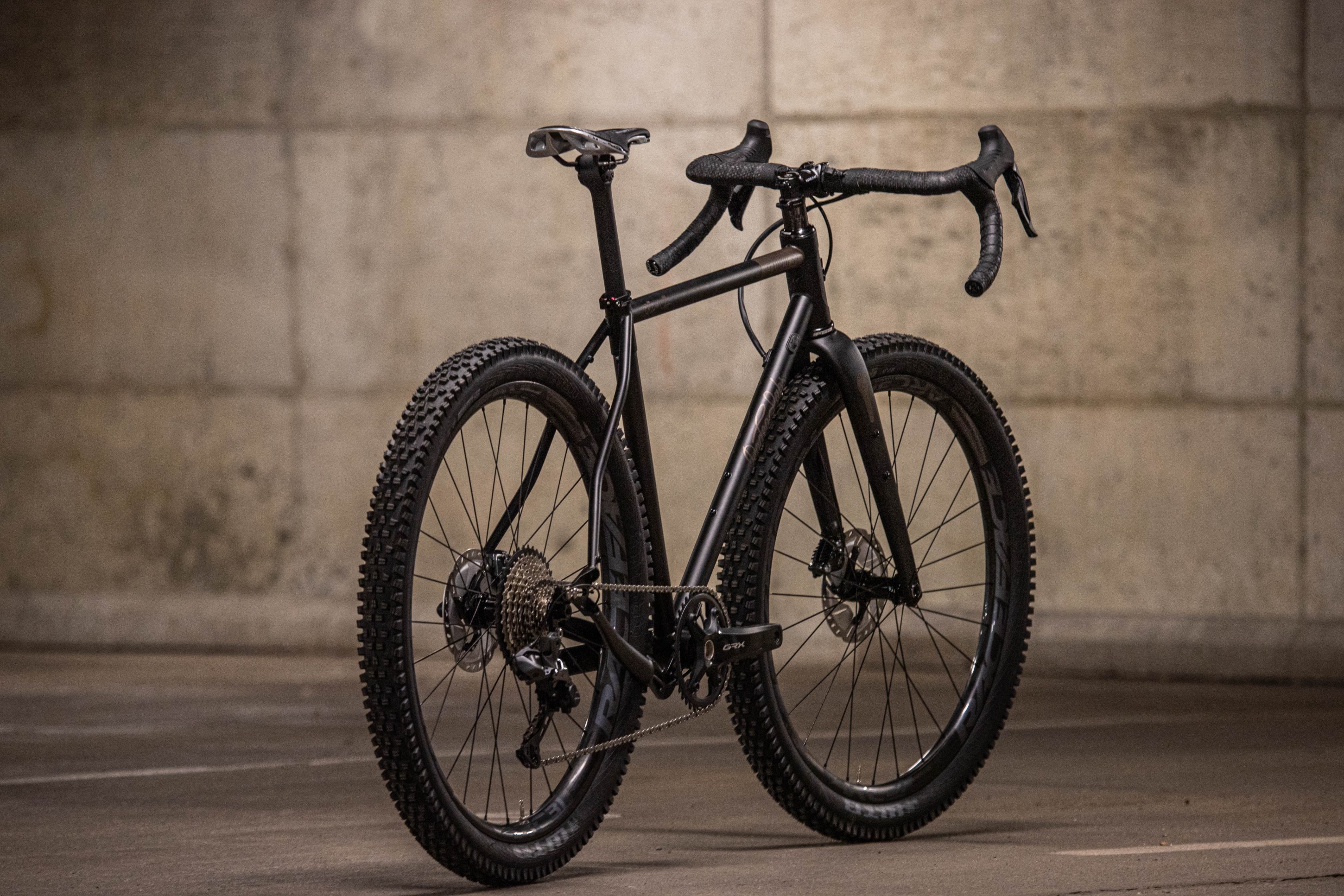
Flaanimal 6.0 steel got more relaxed on paper, especially if considering the longer front end, higher stack, and more slack head tube angle. Intuitively I would think that in many ways that would make it more of a laid back party bike instead of being a “quick” bike. Intuitively 5.0 would be faster. I actually had to make peace with that outcome when we decided to lock the new 6.0 geometry and “go to press” with it. I figured that TD4 and 6.0 Titanium could be the standard bearers of “fast” at Rodeo, and it was ok for Flaanimal to slide over into the “chill” column.

In the real world though, I haven’t found my intuitive expectations to match my experience. 6.0 does have a more relaxed position than 5.0 if you want to configure it that way, but when it comes to getting up and going, I think the bike is absolutely quicker as a whole and more racey than 5.0. How is this possible? I think the biggest factor is the stiffness of the frame. 6.0 uses a larger downtube, a larger “Keg” BB shell, shorter dropped seat stays, and an ovalized top tube. All of these tweaks to the bike contribute to better side to side stiffness. There is notciably less bottom bracket deflection with 6.0 compared to 5.0, and that translates to a bike that reacts that much quicker when you put power to the pedals.
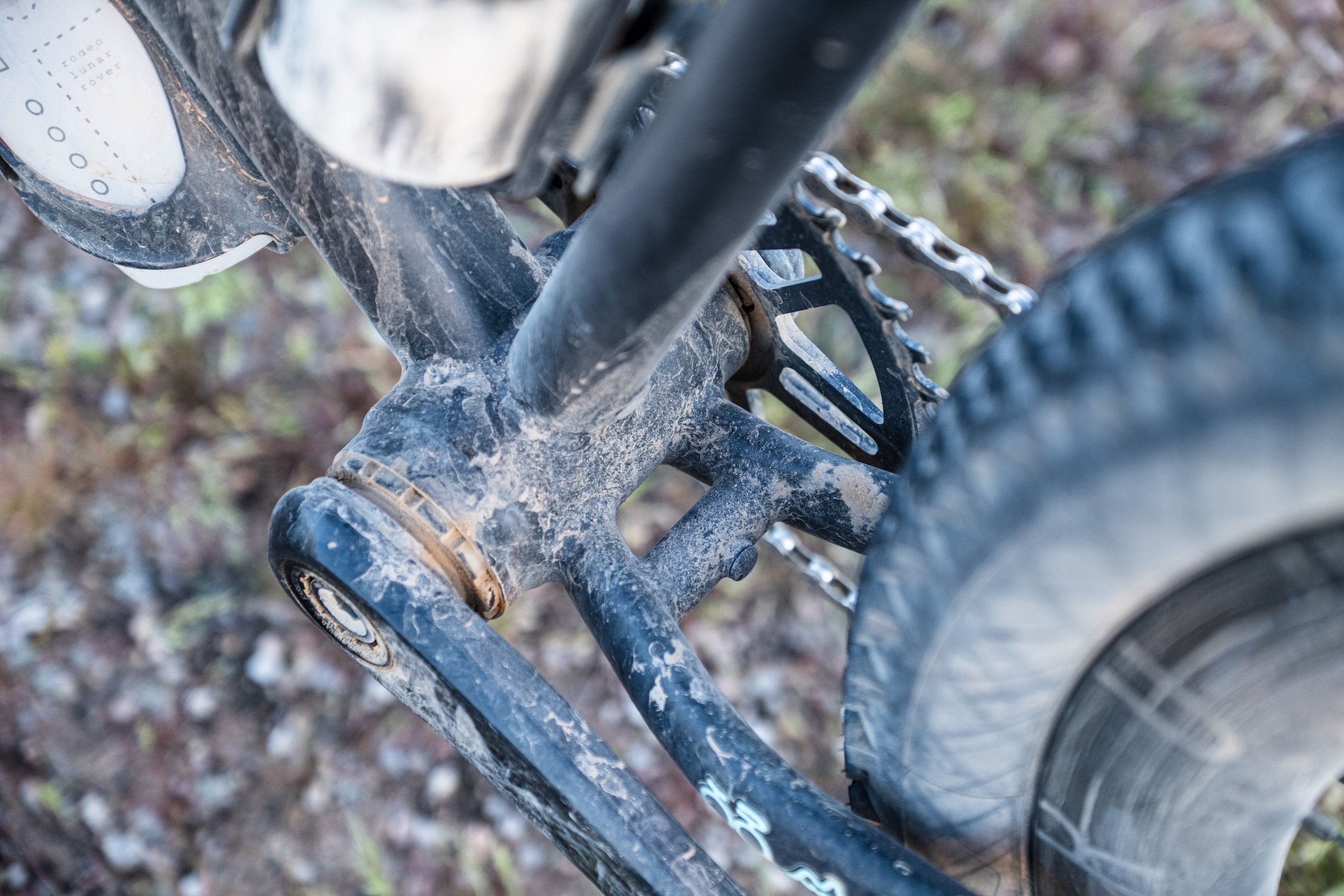
Between the two I can’t make out much perceptible difference in vertical compliance. I wouldn’t say that either version is particularly plush. They’re pretty neutral in terms of compliance to me. Where the bikes can and do get plush or stiff is via tire size, tire pressure, and component selection.
If you were to hop back and forth between 5.0 and 6.0 and do a handling test, you would defintiely feel a difference moving between the two. 6.0 turns in differently, and your body learns to account for and adapt to that in the first handful of rides on the bike. If you continue to ride either version of Flaanimal your body adapts to the geometry and decides that it defines “normal”. It’s only under direct comparison that you step back and say “oh! huh?! Interesting.”
Overall rider position
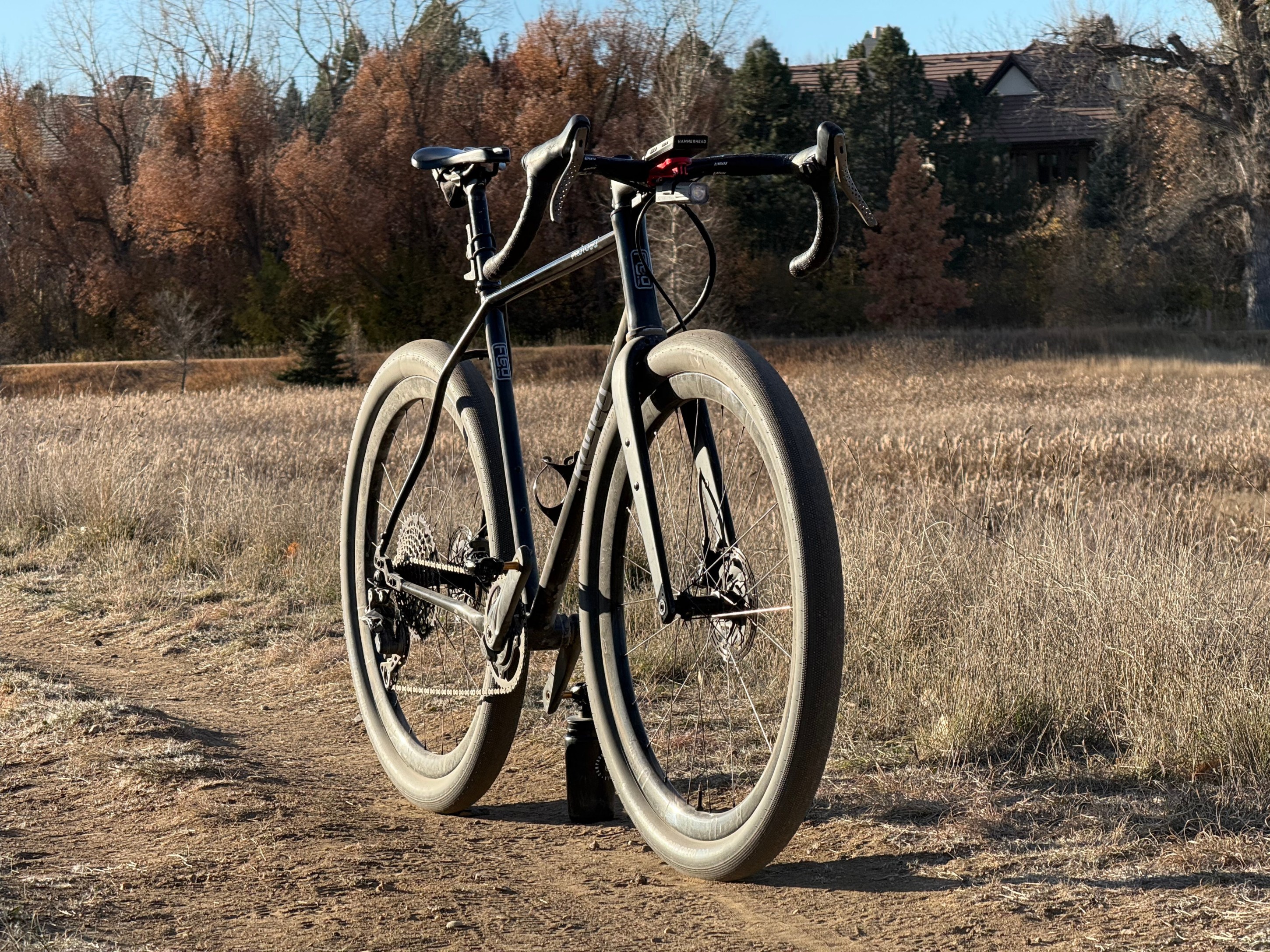
There is no doubt that the front end of 6.0 got longer and taller than any other bike that we make. One might assume that because of this, you would have a longer reach and need a shorter stem to offset the change. As it turns out, I haven’t found this to be true at all, and there are two main factors that explain why:
- The seat tube is steeper on 6.0. A steeper seat tube pushes the rider further forward over the bottom bracket – and closer to the handlebars. This offsets the longer front end and collapses the reach of the bike.
- A shallower heat tube angle points the steer tube and handlebar closer to the rider. The taller the stack is, and the taller the stem is above the head tube, the closer the handlebar position gets to the seatpost. If you use a lot of spacers under your stem, each spacer inches that handlebar slightly closer to your hip position. This also decreases reach. Flaanimal 6 has an average 15-17mm taller stack than our other frames, so we’ve started the process of “shortening”correcting” reach for you by default.
On my TD4 and Flaanimal Ti frames I run a 100mm stem. I expected to need to run an 80 or 90mm stem on 6.0 Steel to correct my position, but in the end that same 100mm stem dropped me into the same position on 6.0 Steel as my other bikes. Math and geometry are wild, especially to a non-math-guy like me.
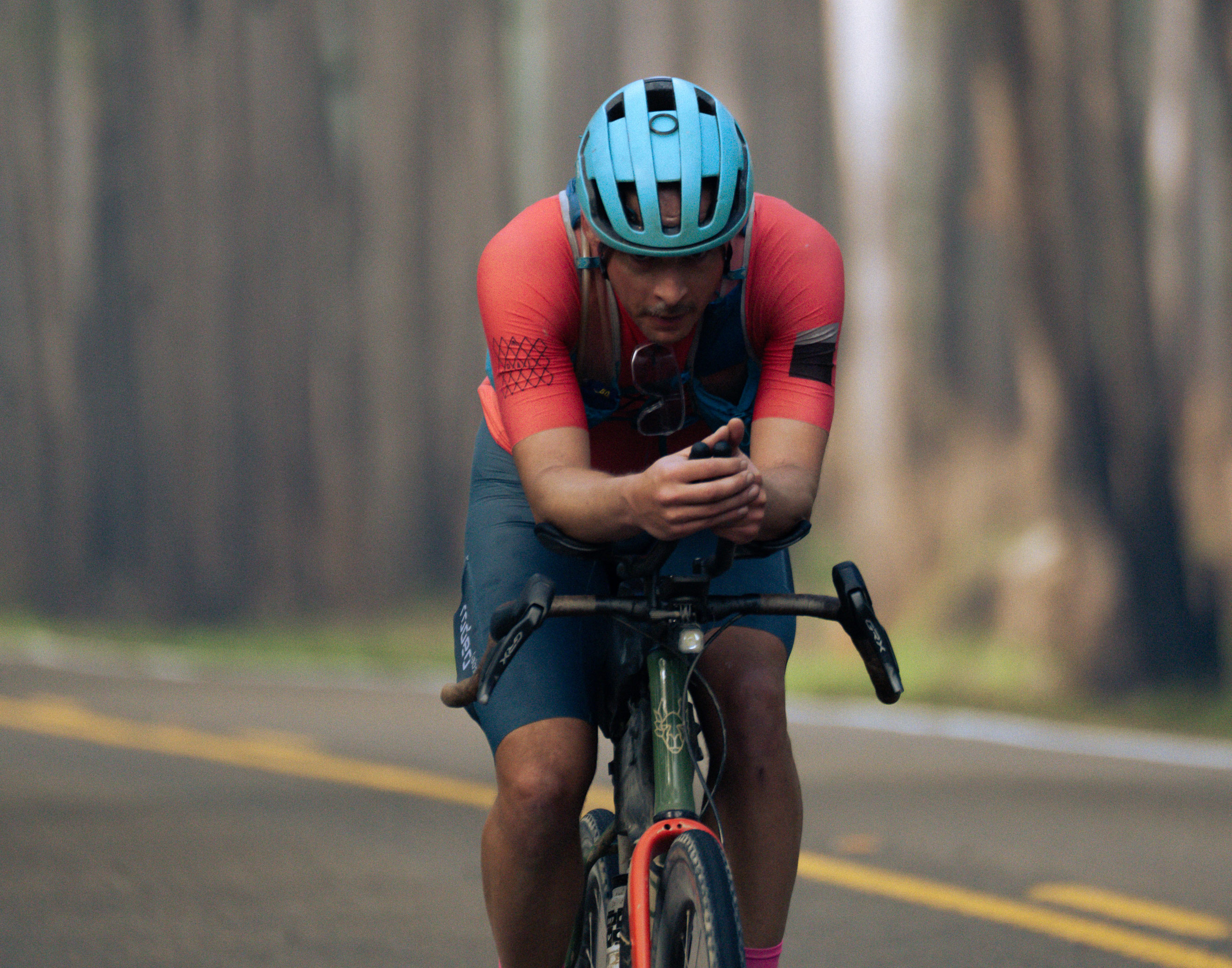
I started my cycling life as a hardcore MTB rider in the ’90s before transitioning to primarily road riding in the 2000s. From my road racing days I still enjoy a pretty low handlebar position relative to saddle position on my bikes. You can see the effects of this preference in every Rodeo bike to to date, which often have lower default stack and rider positions than many other endurance bikes in the industry. I did feel some concern about having my position bumped up on 6.0 steel. Would I feel forced up and into the wind, or could the bike still feel low and cat-like when I wanted it to? In the end I my worries had no merit. My 6.0 cockpit is taller than my TD4 cockpit, but I pulled out all of the spacers and slammed the stem on 6.0 so that I could get as low as possible. That position is plenty racey for me. On the flip side of that, if you combine the 17mm higher base stack of 6.0 with a 15mm tall upper headset cup and 4cm of spacers, you can position yourself 72 (SEVENTY-TWO!) centimeters higher than the base stack of the 6.0 frame. Translation: You can build 6.0 with quite the upright position if that’s a priority for you. To each their own!
One interesting observation, when I ride the 6.0 steel after riding a different Rodeo, I notice that the front wheel is far more visible out front of me than on the other bikes. It really reinforces how much further the front tire is from your toes and the bottom bracket than it is on other Rodeo bikes.
Which leads us to…
Toe Overlap
What to say about toe overlap? There just isn’t any on my 58cm 6.0 steel, no matter how big of a tire I run, up to 700×2.4. There is plenty of clearance left over.
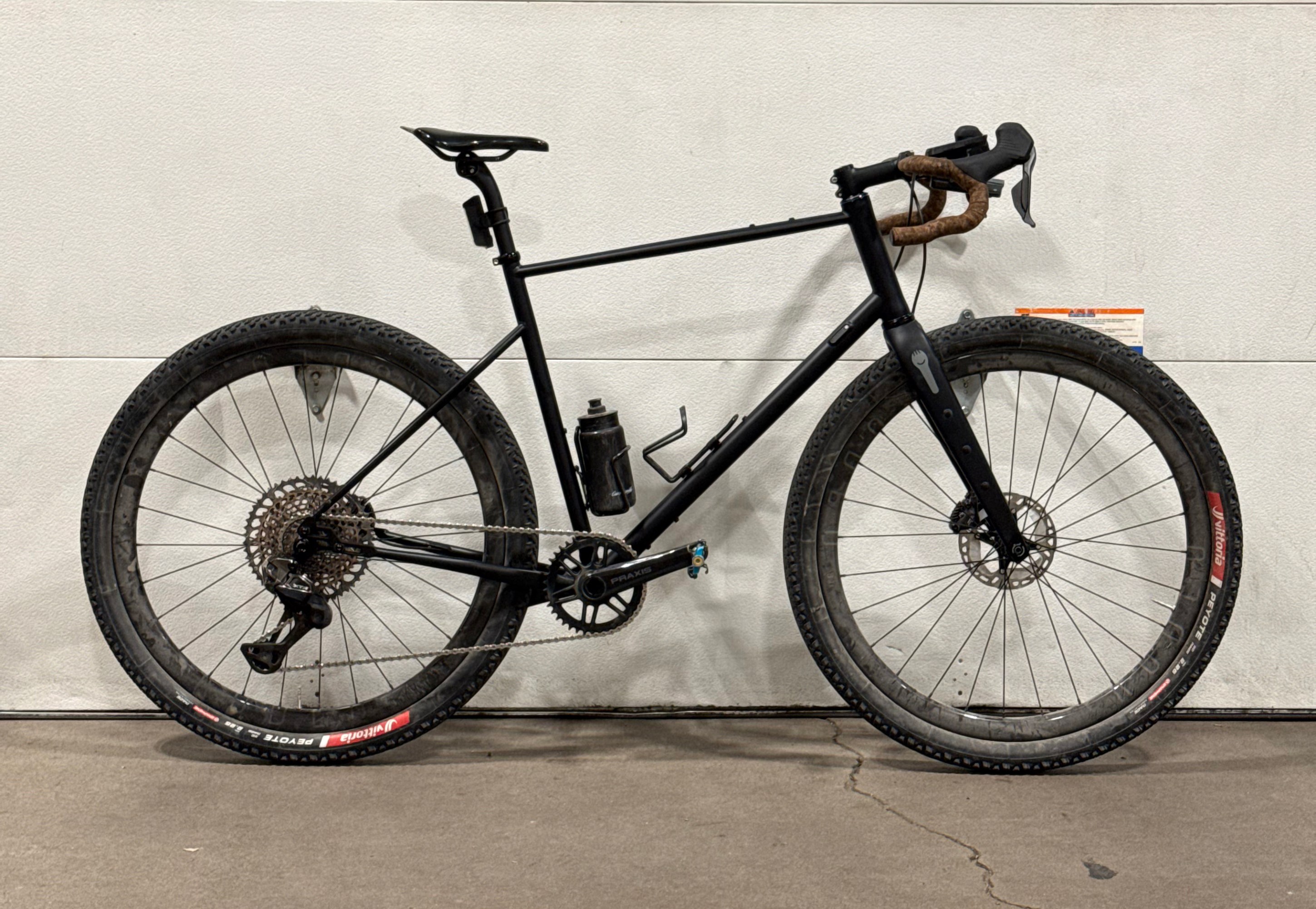
With Spork 4 and the optional Laid Back sliders I can also run the 29×2.4″ tire on TD4. While I was able to have a lot of fun with that setup when out doing technical singletrack trail riding, I did hear a symphony of “bzzzzzrt” each time my tow rubbed those massive tires. To a lesser effect that TD4 (and FL5) toe overalp also applies to 29×2.25″. FL6 just makes for smooth sailing with the fat tires.
Is it fast or slow?
The “fast” question is probably top of mind for me when I’m riding any of our bikes because I think I’m biased towards the racer mindset that diminated my priorities throughout my 30s and into my earlier 40s. Outside of racing, I just think that bikes that feel quick and playful are more joyful to ride. As I mentioned, I was worried that the tweaks that we were making to 6.0 could end up making it feel slower. In reality though the riding hasn’t borne that out for me.
The very first ride that I did on 6.0 steel was on one of the tree different prototype variants that we built. They all had the same funamental geometry, but the construction and shape of the each frame was different. I took that first 6.0 prototype to the summit of our local Green Mountain trails and pointed it down the Rooney descent. What I was hoping to get a sense of on that ride was how it descended and how tracked and cornered at speed. Would it feel floppy? Would I struggle to coax the bike through tight lines? It’s hard to have an un-fun Rooney descent because that particular trail is so fun, but I was smiling extra wide at the bottom of it because the bike was a blast to descend and mountain bike on. There wasn’t really anything remarkable to report about the handling by the time I’d reach the bottom, for better or for worse. The word I would use to describe the trail manners was simply “willing”. The bike doesn’t fight you or demand that you adjust your style to it’s geo. It goes where pointed.
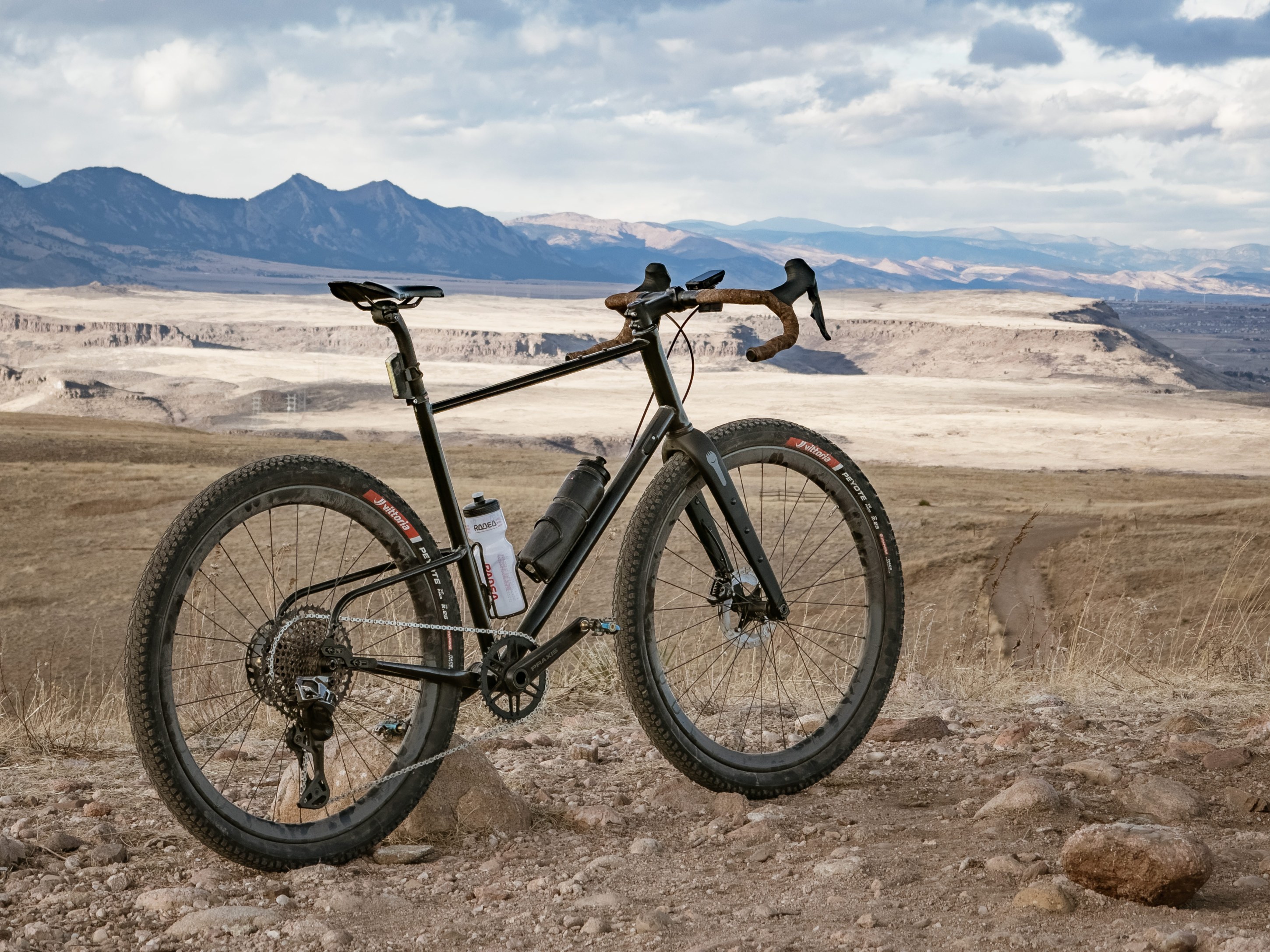
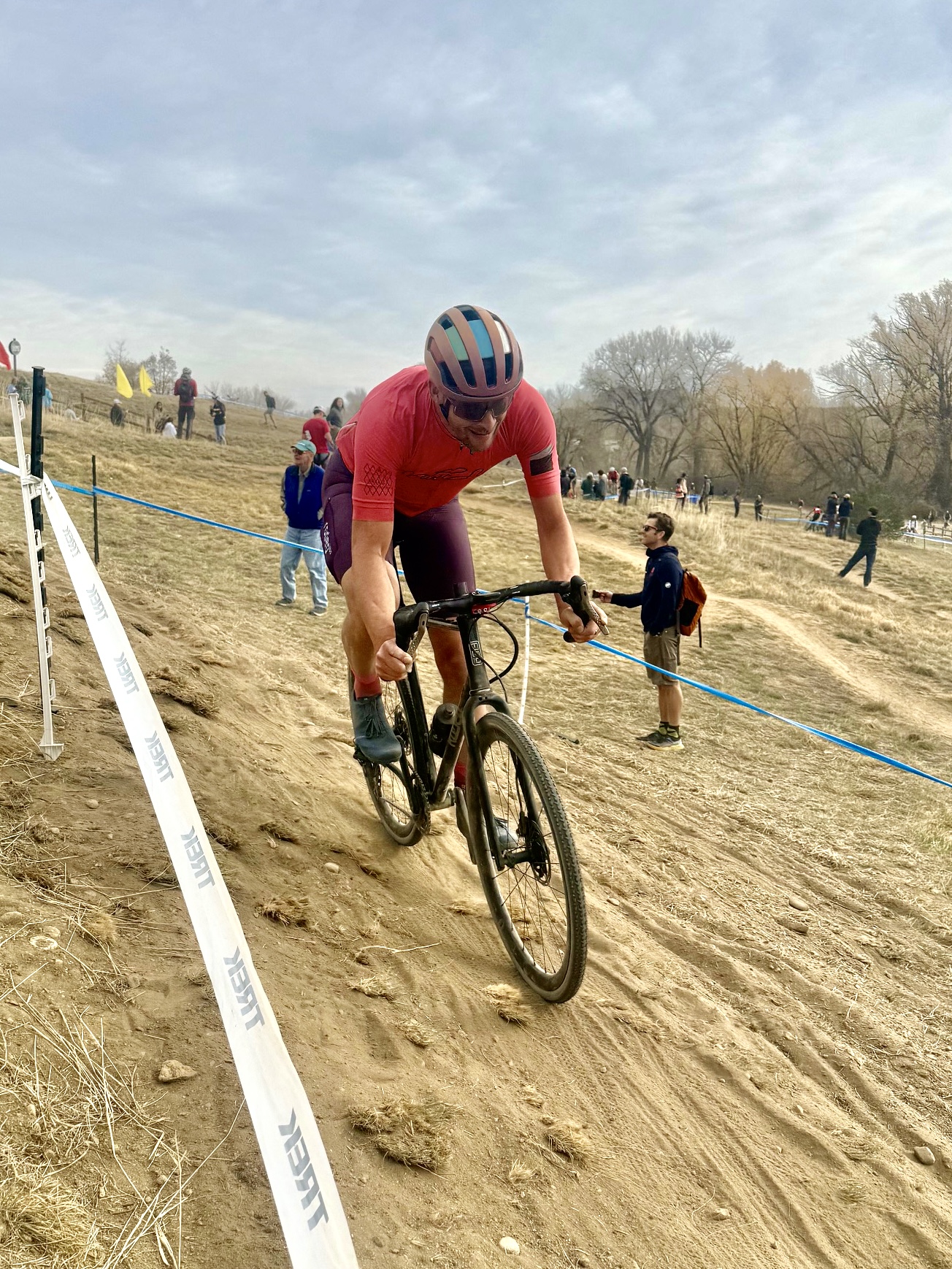
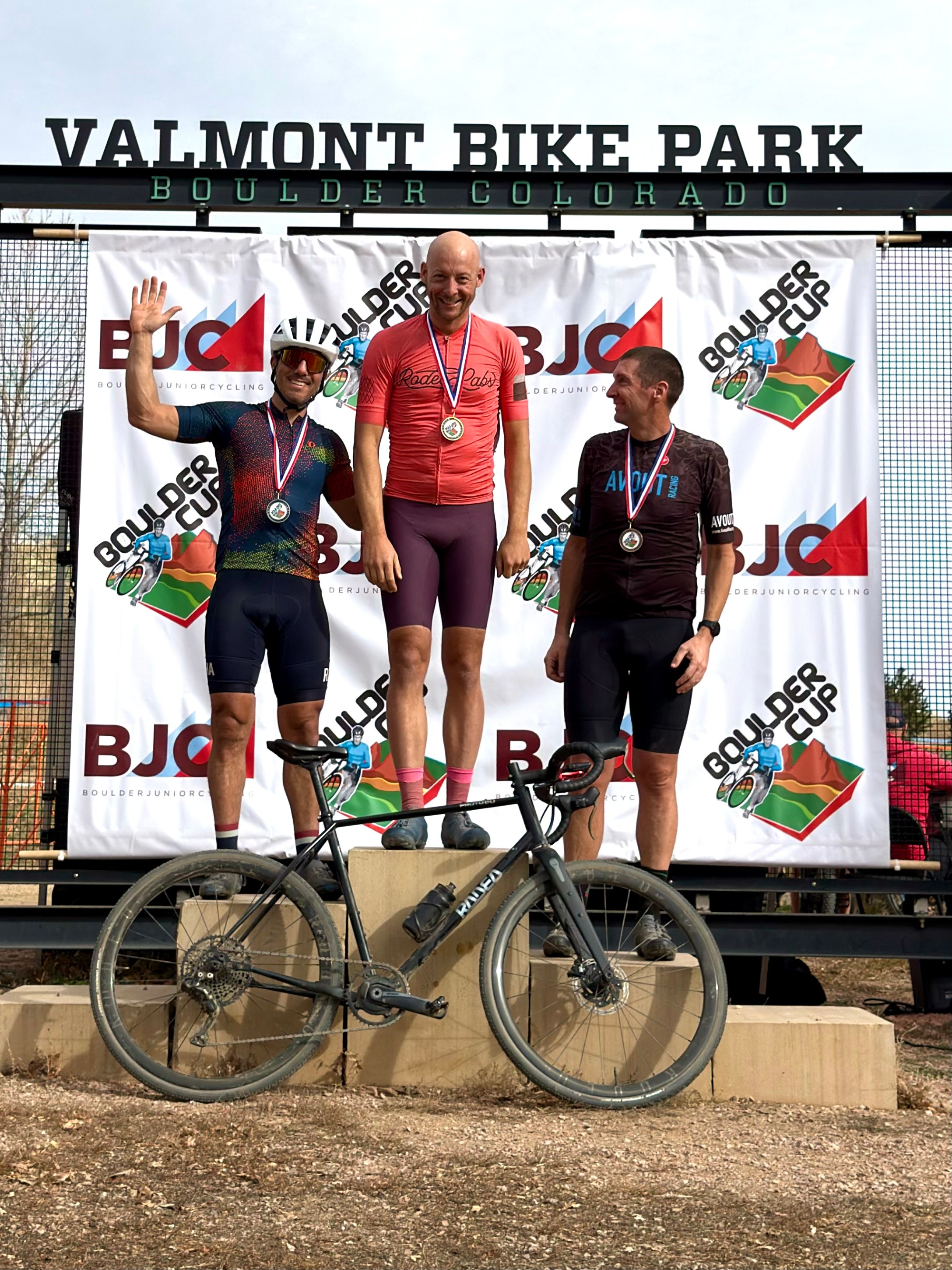
A second key test of the bike was on the 2nd prototype that we built, which had more conventional double triangle construction. I took that bike to the UCI Boulder Cup cyclocross race at Valmont Bike park. For that race I brought my TD4.2 because it’s proven itself as a viable cyclocross platform over the last decade, and I had already been racing it this season. But I also very much wanted to compare the Flaanimal in tight, technical CX riding, so I did my first two warmup laps on the Flaanimal, then switched to the TD4 for the final warmup lap. I will say: TD4 did feel quicker out of the turns with it’s ultra lightweight Berd-spoked wheels, and I could feel that the overall bike was lighter when lifting up stairs or over barriers. I was tempted to race the TD4 in the race, but forced myself to go back to the Flaanimal for the sake of having a genuine high-intensity cyclocross race experience on it. To my absolute surprise, I won the race on it – my first cyclocross win since 2019. Was the bike heavier than a carbon bike? Sure. Was it slower? Possibly. Did it matter? Apparently not – at least at the level that I race at. As I raced each lap of that race as hard as I could, the bike itself ceased to be steel or carbon or this or that, it was just an intuitive extension of my body, and it performed well the duties that I compelled it to do.
How is it as a gravel race bike?
But Flaanimal is a gravel bike, right? If you’re going to put a label on it that’s probably as close to a bullseye as you’re going to get. People ask me a lot which Rodeo bike is the one for gravel racing. The obvious answer is TD4, and it has the most gravel racing pedigree to its name, having stood on the steps or the top of nearly every signifant gravel race in the USA. But Flaanimal 5 steel probably has more active racers or event participants on it than TD4 does, just because of the larger number of Flaanimal 5s out in the world.
I haven’t been doing many gravel races this year, but one that I did manage to get on the calendar certainly made up for my lack of total events through its sheer 400 mile distance alone. That race was East Texas Showdown. 400 miles is so long that I’m not even sure what it measures in terms of the race capabilites of a bike. More than anything that distance is as much about fueling and your body’s durability as it is about the speed of your bike. Still, I specifically wanted to race 6 Steel at ETS to get a feel for its manners on long distance gravel. Contrary to modern gravel trends, I did not run 2.1″ or 2.2″ tires for that race. There was a certain percentage of pavement out on the course, and the gravel didn’t sound like it was extremely rugged, so I put 40mm Getaway XP tires on it and hoped for the best.
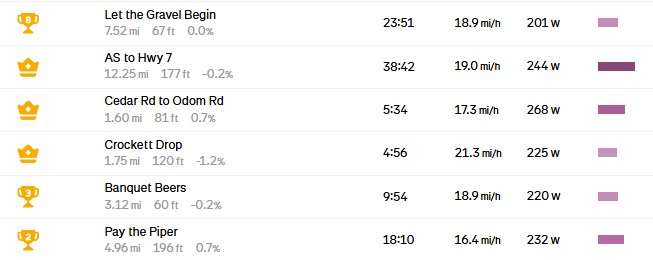
So was it fast? It was!… for about 200 miles. The race started pretty compact and a group of maybe 20 riders hung together. At maybe mile 60, on a particularly sandy and technical doublerack road, I saw other riders in distress and rode away solo. FOR THE RECORD: This was a rather reckless and dumb thing to do in an ultra distance race, because on a course that long it’s all about pacing yourself more than it is attacking competitors. Ignoring that, I threw caution to the wind anyway and let fly. For a few hours I cooked alone, and the miles flew by at what turned out to be record pace on some sections of the course. That was so fun. That there was some anecdotal evidence in there that 6.0 Steel could get around as fast as or faster than anything else that day.
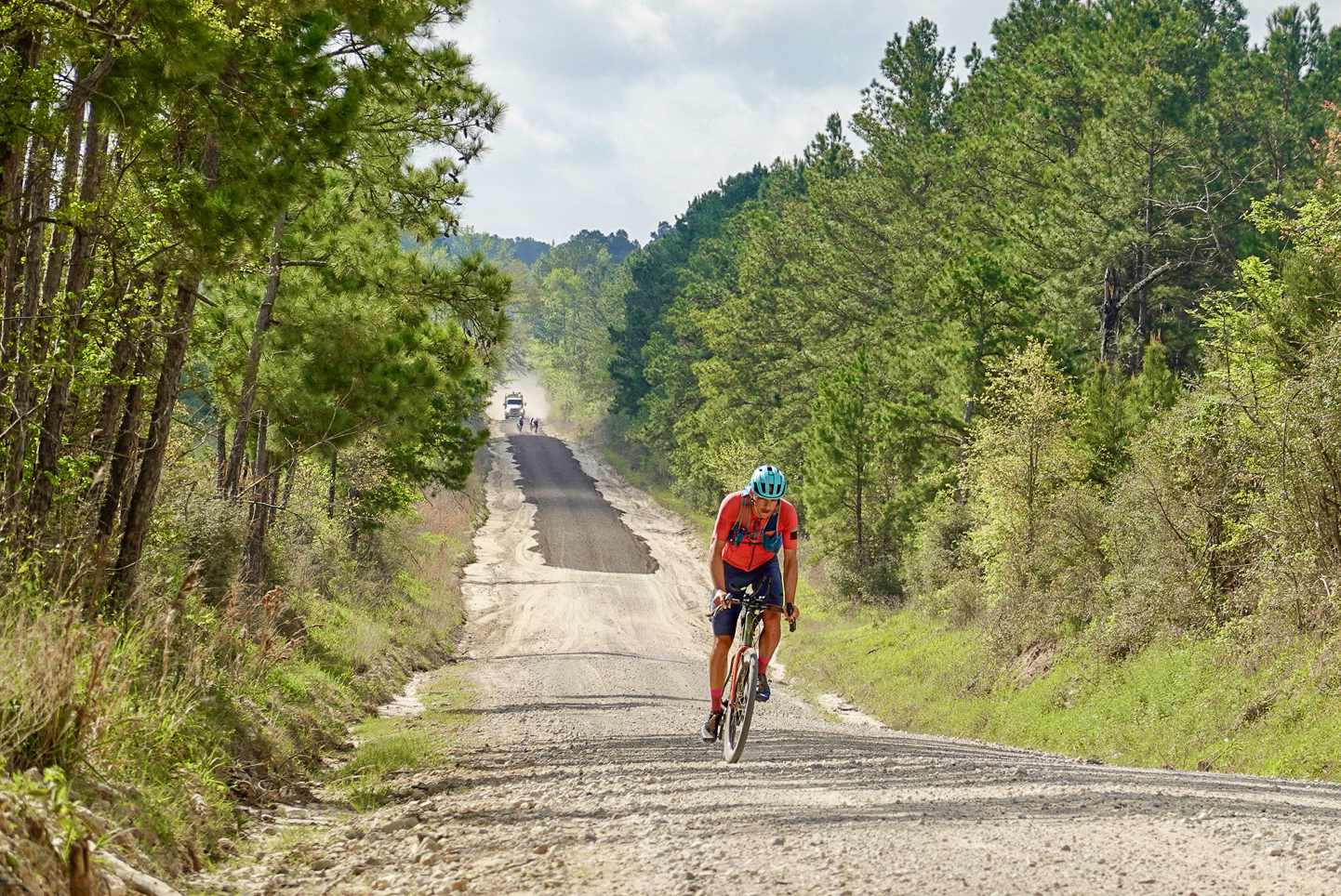
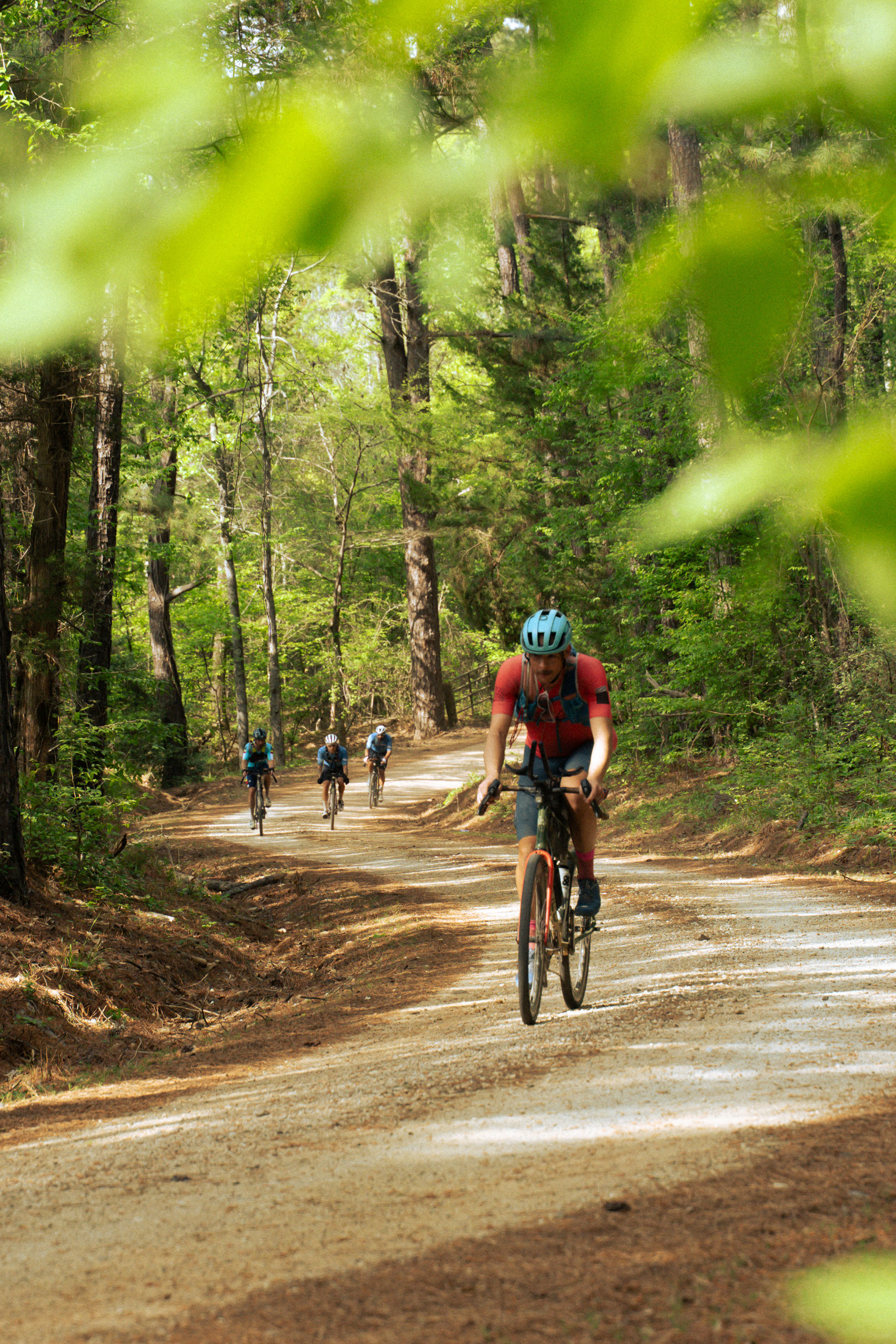
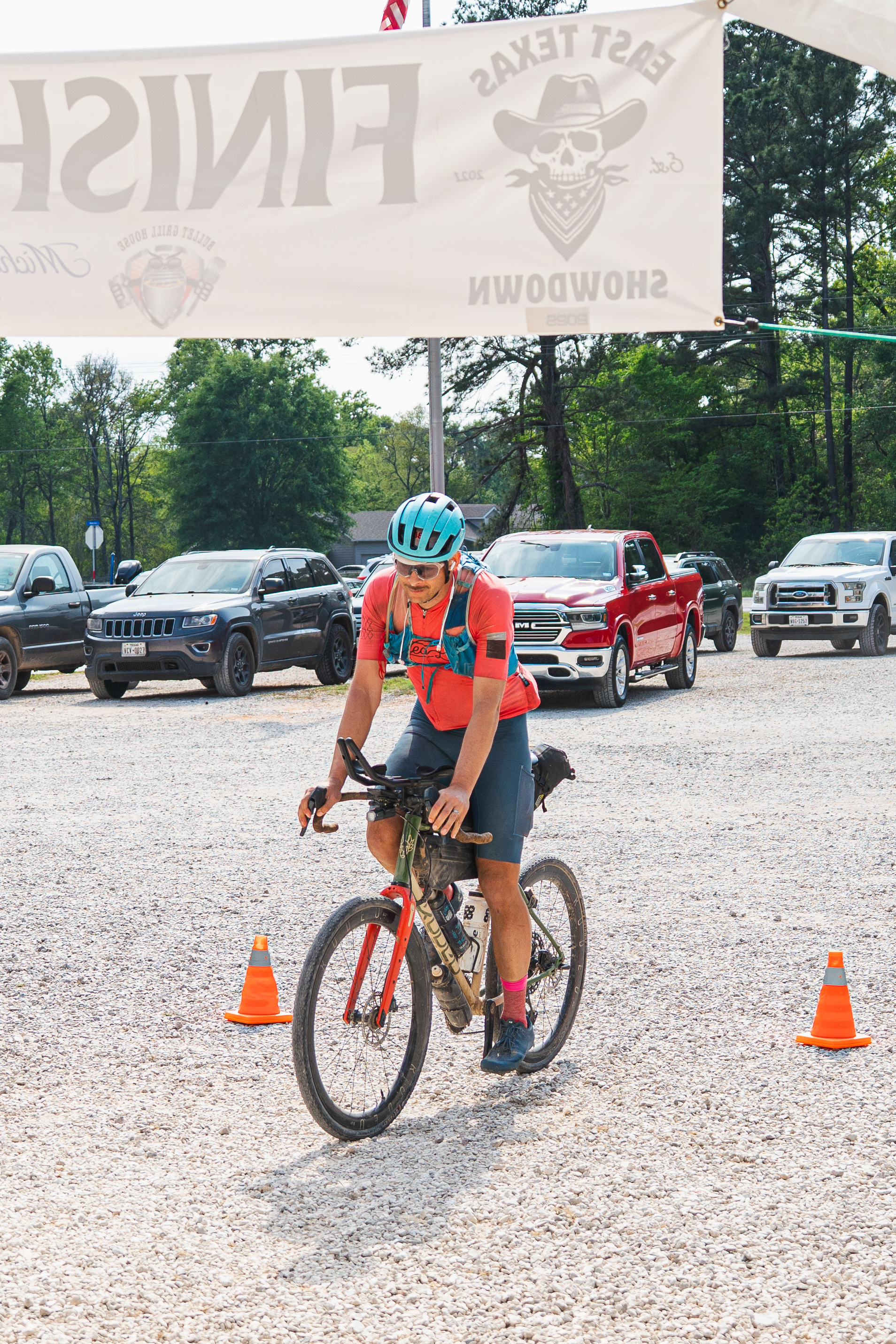
In the interest of full transparency, my ETS solo joyride ended in a bit of a catastrophe. I eventually dug too deep and fueled too poorly. The consequences of my actions caught up to me around mile 200 where I unceremoneously hurled and worked my way backwards in the rankings. I eventually settled into a touring pace with my friend David, and we both finished the race the next day with smiles on our faces. I did, however acheive one goal at ETS; I proved to myself that Flaanimal 6 galloped hard when you kicked in with the stirrups.
The one other gravel race event I participated in this year I also saw as an opportunity to test Flaanimal 6.0. Summer Vibes ralley is the younger sibling of the much loved Old Man Winter Rally race that is held each winter in Lyons, Colorado. The Summer Vibes course is an identical mix of pavement, gravel, and some party trails, and delivers everything from all-out flats, extended climbing, fast descending, and plenty of smiles along the way. The race format this year was “gravel enduro” which meant that four segments on the course were timed, and the rest could be ridden at conversational pace with friends. Times were added up, and the lowest combined time “won”.

At 185lbs I didn’t have any illusions of being fastest up the climbs, but I did want to party as hard as possible on the fun and technical Rowena sector, which is much loved and reviled in the Boulder / Lyons cycling community. It has a mix of flow dirt, gentle climbing, and a handful of nasty rock gardens that conspire to buck you off your bike and make you walk. Not only did I want to clean Rowena, I also wanted to lodge the fastest time on the segment for the day. Interestingly, I had a bit of a wheelset logjam the night before the race, so I grabbed the only wheelset in my garage that was ready to roll and put it on the bike: My beloved Rodeo 650b 2.0 wheels with 2.35″ Vittoria Mezcal tires. 650b is long past being seen as a race-relevant wheel size, but I have had innumerable adventures on these exact wheels on tires and I’ve never complained about rollover speed or efficiency on them. I could almost imagine that if the 29×2.2″ craze hadn’t hit, I still wouldn’t even know that these wheels are “slow. Interestingly, 650b x 2.35” has a nearly identical rolling circumfrence to 700×40.
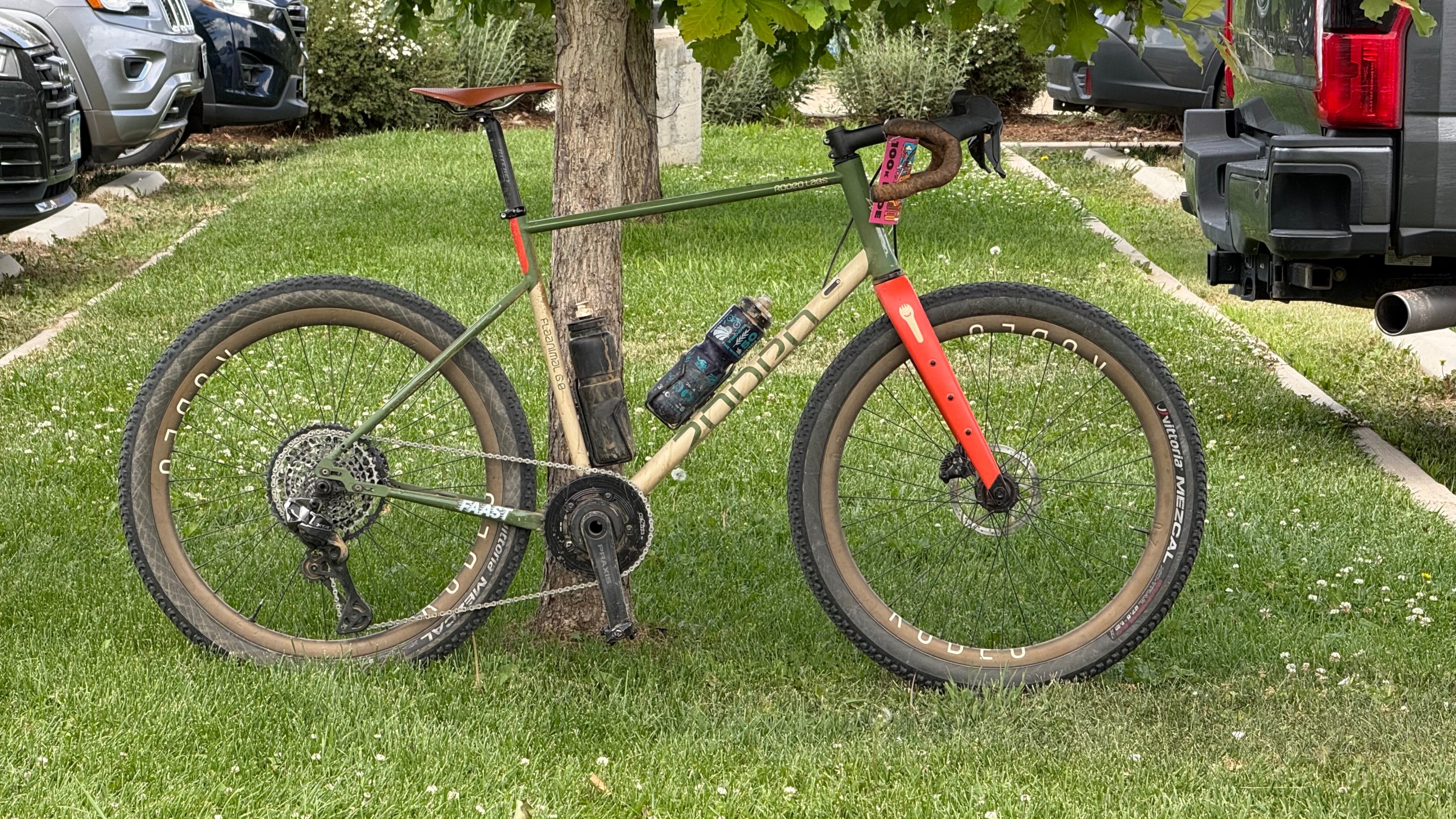
So, onto the 6.0 they went, and off to the races we were. I settled into a fast and friendly group at or near the front of the race. We made short, fast work of the flat dirt miles before turning up the nearly 10 mile Lefthand Canyon climb to Rowena. On the Lefthand climb I looked around at my wheelmates. A few were on ultralight Crux gravel bikes and the like, and were rolling the fastest Schwalbe RS tires. Here I was on a steel bike with 650b wheels and fat, not-fast tires. Still, we hung together well. I waited patiently for Rowena and when we finally breathlessly arrived, I sprung into action attacking the segment.
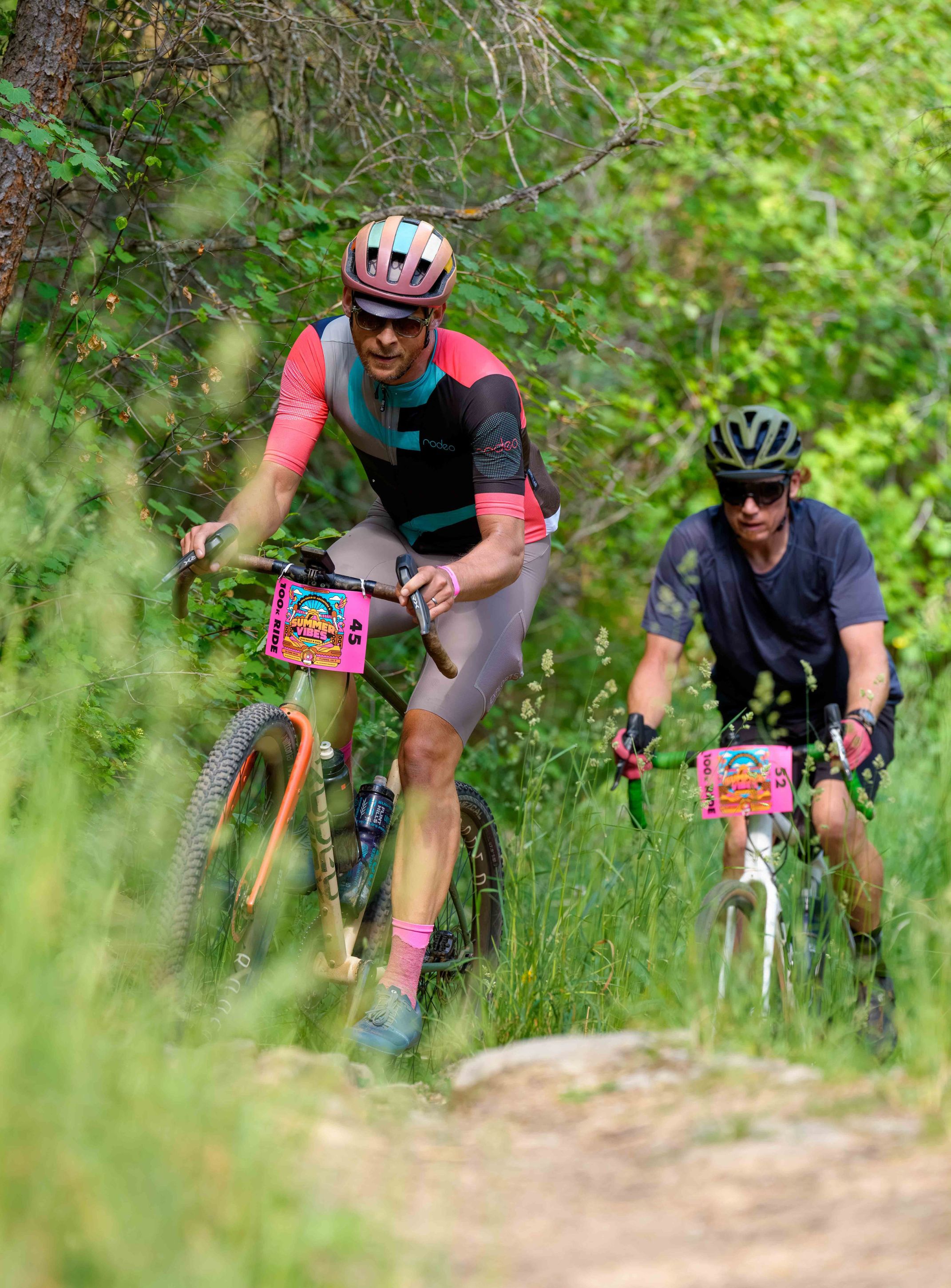
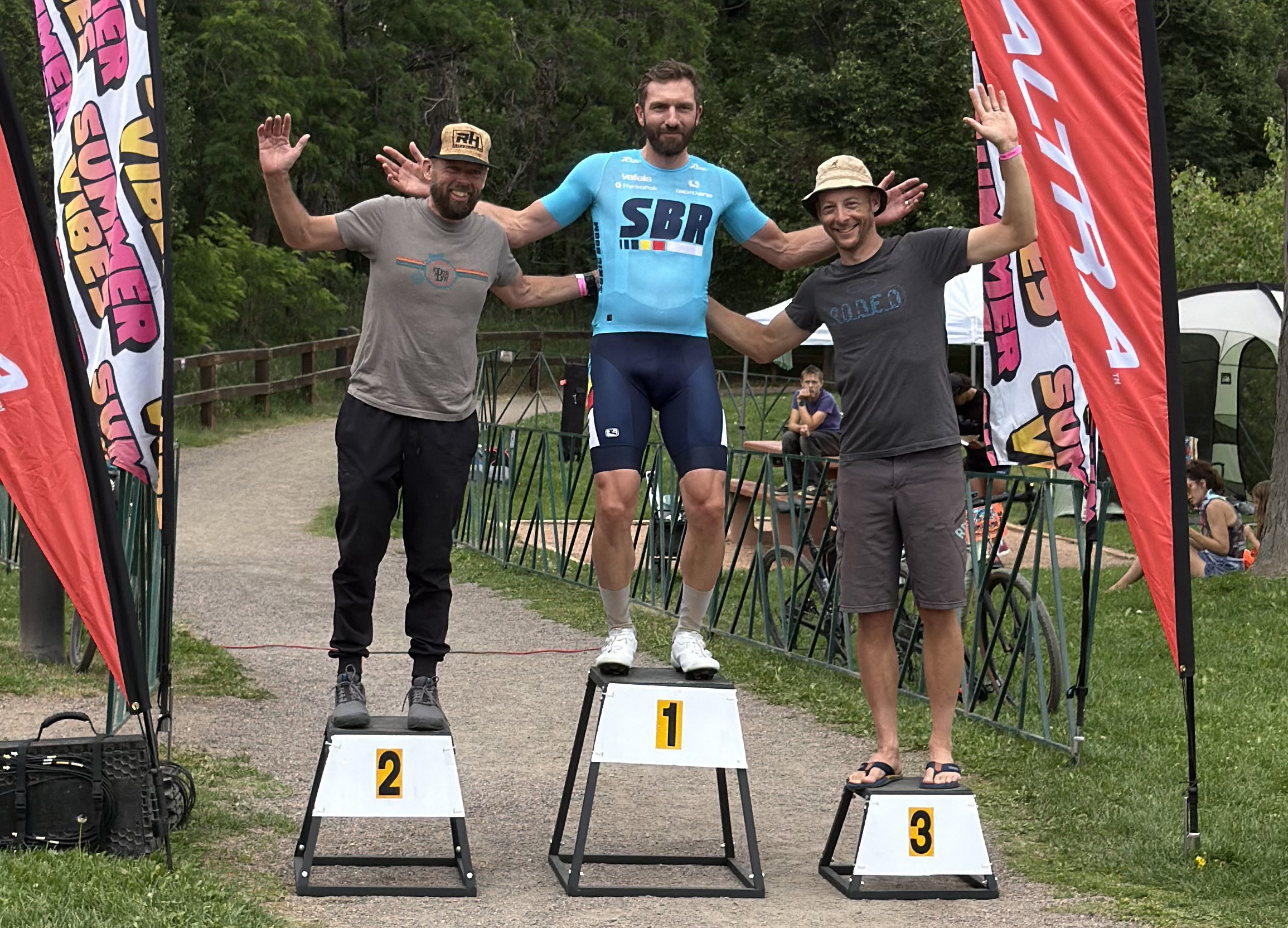
There is a special joy that comes with underbiking a technical trail, and I felt like I was hoverbiking Rowena. Me and 6.0 quickly dropped the pack I was with and then caught and passed a couple of riders who had gone off the front. By the time I exited Rowena at the top, and hung a right onto the descent, I had, for a moment, ridden myself into first place in the race. I wasn’t proud of me at that moment, but I was proud of the steel-bike-that-could, for simply once again complying with the effort and bearing me along swiftly. Later in the day I was caught on some pitchy climbs by more gifted and lighter riders, and our group stuck together for the finish. When all the segment times were tallied, 6.0 and me managed to score a 3rd place overall for the day. I also took home the crown on Rowena. I don’t say this to toot my horn and pretend I’m some great rider. The point here is that 6.0 steel was capable of holding its own un a fun and competitve gravel enduro race. I’d call that a success!
How is it as a road bike?
At Rodeo we’ve always developed our bikes to cover the spectrum of road to gravel to trail as well as possible. That isn’t to say that we promise that our bikes will be the sharpest tool in any of these disciplines, but the question we originally asked when developing the first Trialdonkey 12 years ago was “how much can one bike do”?
Since that time I’m confident that I have more paved miles logged – over 100,000 – on my Rodeo bikes than on any other surface. I ride them to work, I ride them in very fast local group rides, and I’ve even ridden them in road races. I won’t say that our bikes are faster or better than an aero road bike or an ultralight climbing road bike. If I were trying to win a UCI race I’d get the lightest feather that the rules allow. What I will say is that I’ve never felt that it was the bike holding me back on the road, but rather I’m always the limiting factor to the bike. I’ve proudly attacked many road group rides on my Donkeys and Flaanimals, and I’ve podiumed road races on my Donkeys in particular.
When deciding to push further into “party” mode with 6.0 steel, I definitely expected to leave some of the road manners of the bike behind. In certain ways I’m sure that we did. The higher stack, the more raked out front end; those are a bit antithetical to fast road bike thinking. That said, there’s just no way that I’m not going to go road biking on my Flaanimal anyway. When I do, ask that same question to myself ever time: “How does this bike feel”? To that I would say, the lower, sleeker, lighter TD4 has more giddyup. It’s the first bike I’d grab for traditional road duty, and indeed I’ve converted one of my two Trailonkeys to exclusive road use these days. But in addtion to successfully piloting the Flaanimal 6 on many group and solo rides in the last seven months, I’ve also taken it on multiple road centuries. Just for reference, I do this riding on 34mm tires.
There is a road climb near me that climbs Deer Creek and High Grade, and takes me over an hour to summit. Recently I rode the TD4 on the climb and logged a 1:17:39 time at 251w. I did that same climb on the same wheels and tires of the FL6.0 a handful of days later in 1:15:47 at 240w.
Wait. What gives? How does a heavier bike at a lower power number go up an hour climb about two minutes faster than the lighter bike at a higher wattage? Honestly, I’m not sure! Did I have a tailwind? Did I simply pace myself better? I don’t have an aswer. What I do know is that at the end of the day, once again, the 6.0 proved that it’s road manners were solid, and that it passed paved miles, even climbing miles, efficiently and enjoyably. A lot of bike companies will promise that they’re this-many-watts more aero or this-many-percentages stiffer. I’m not promising any of that with any of our bikes. But I will promise that they’re quick and capable steeds on and off road.
As a side note, my PR up the Deer Creek climb is 1:01:31. Interestingly to me, that PR was ridden on my TD2, not the newer TD4. That time also bested all of my previous times which were ridden on my Cannondale Super Six and Felt F1 road bikes by younger versions of myself. Once again the data is inconclusive as to why I went fastest on a TD2, but I do love that the PR contradicts all intuition about which of the bikes that I’ve ever owned and ridden would be “fastest”. We’re sold the ideal that the bike makes us fast, but so I find the bike to be a very small factor in the total speed equation of the bike.
Here’s a video of that recent day I climbed Deer Creek on the FL60. This was a 100 early morning mile pre-work “road bike” outing. The vibes were high!
The Actual Road Race
The final test of 6.0 Steel’s manners could be only one thing: An actual road race. I saw one such opportunity on the calendar this spring with the Koppenberg Road Race. To my dismay, there was no master’s Master’s Cat 3. race for me to enter, so instead I had to join the Master’s 1-2-3 race, which is a level or two up in competitiveness. If there ever were odds stacked against 6.0 steel, this race would be it. The competition was resplendent in aero helmets, aero socks, skinsuits, and aero bikes. I did not feel aero at all, but then again I also had no evidence that I was not aero. Koppenberg is a six lap circuit race with a few miles of gravel and the rest pavement each lap. It has tailwind straightaways, fast sweeping descending turns, and a nasty punchy gravel climb that punches you in the gut each lap.
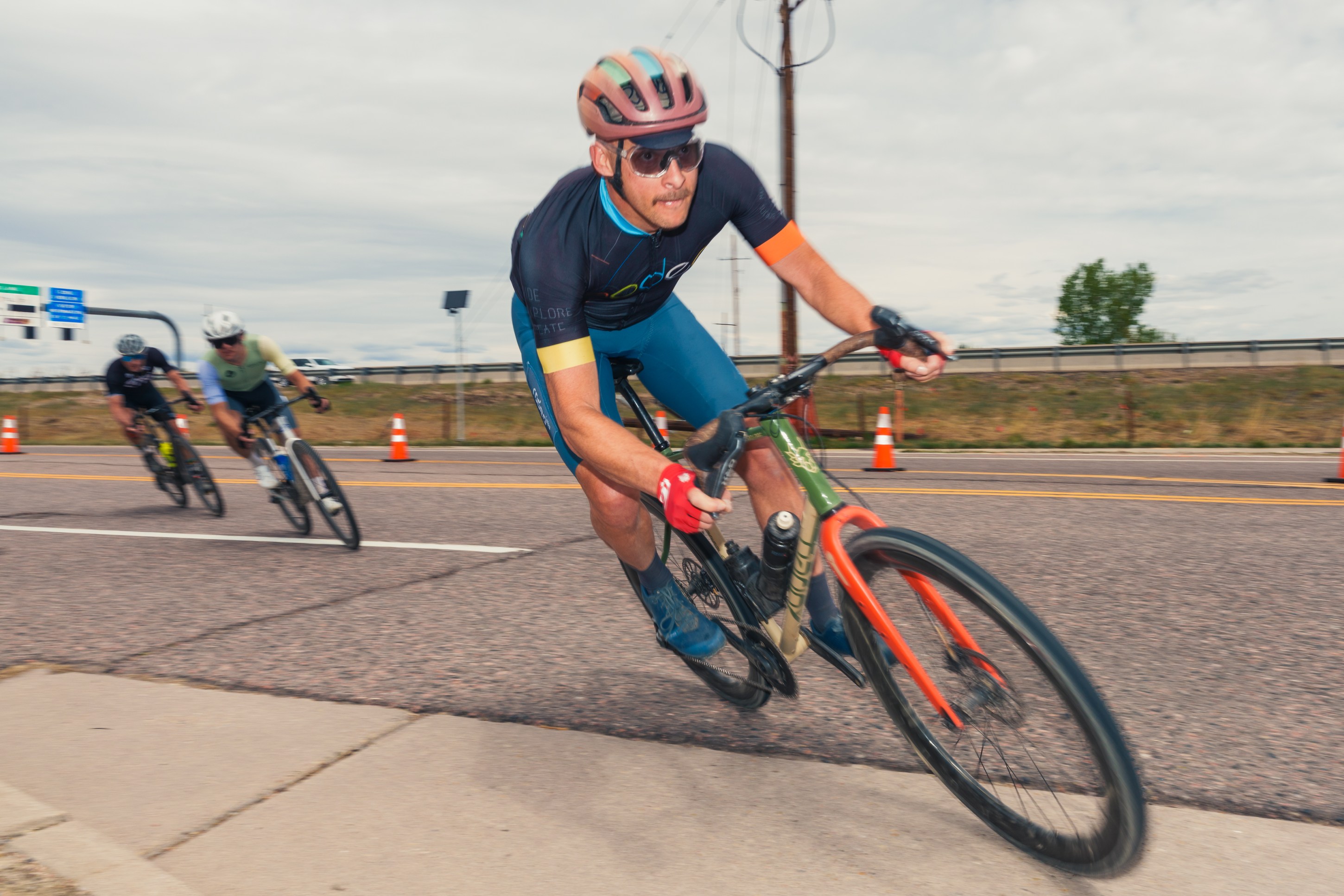
On lap one I expected to dangle from the back, but as we hit the unpaved section of the road race a funny thing happened: It became obvious that many of the racers didn’t handle gravel well. Without even pedaling extra hard I simply drifted to the front of the group and found myself at first wheel going into the gut punch climb on the first lap. I have to admit, I was proud of that.
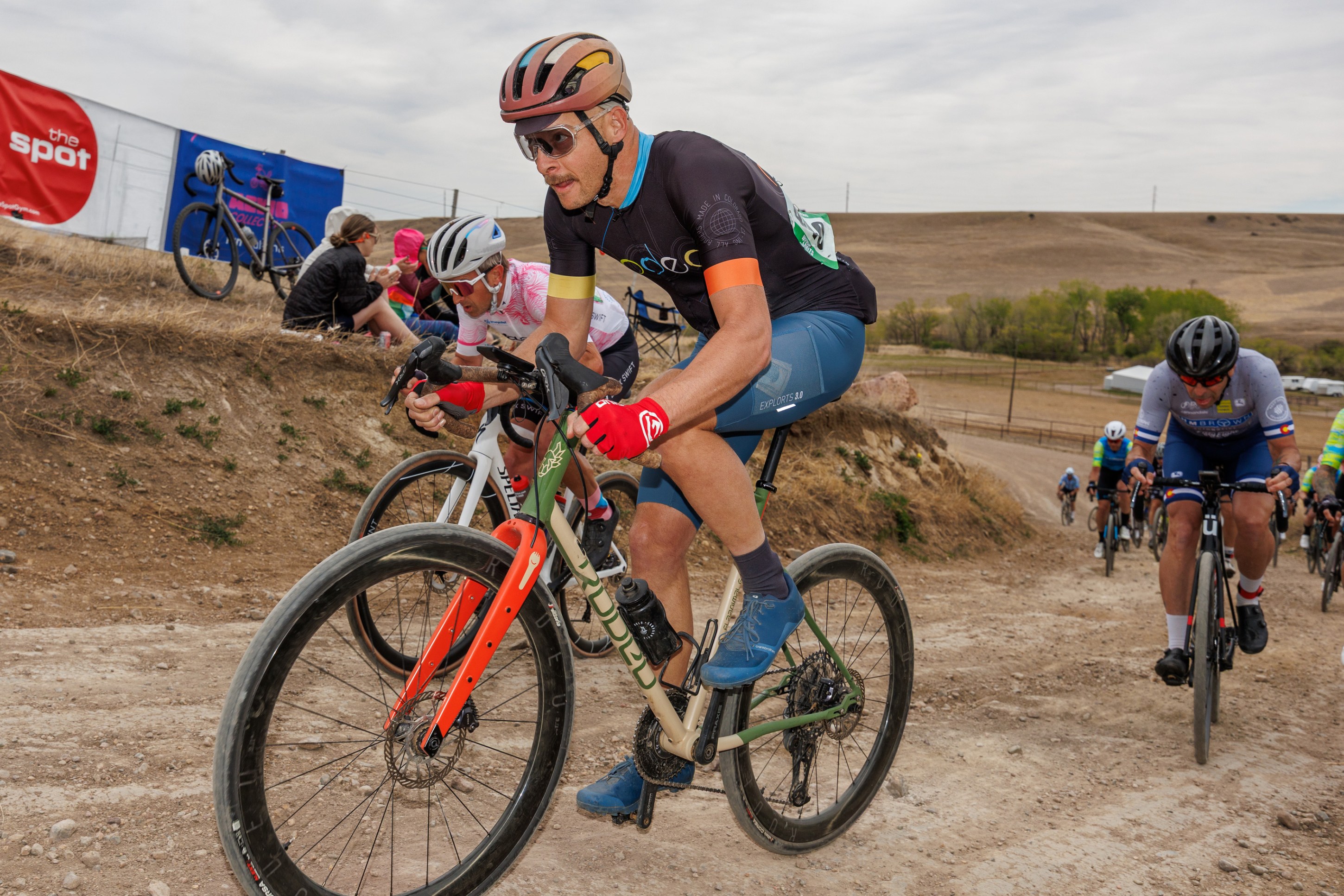
I sprinted to the top and then leaned into the wind. I was brimming with optimism at this point. I towed the entire peloton through the remainder of the dirt and peeled off on the road section. One lap was nearly down! Lap 2 was similar, but things started going off the rails on my second trip up the hill. I was pulling too much and the group was happy to sit back and let me burn out. Later that lap a group jumped and gapped me, and that was pretty much the rest of the race. I couldn’t reel them back in and spent a lot of time in no-man’s-land, picking up other shelled riders and dropping who we could.
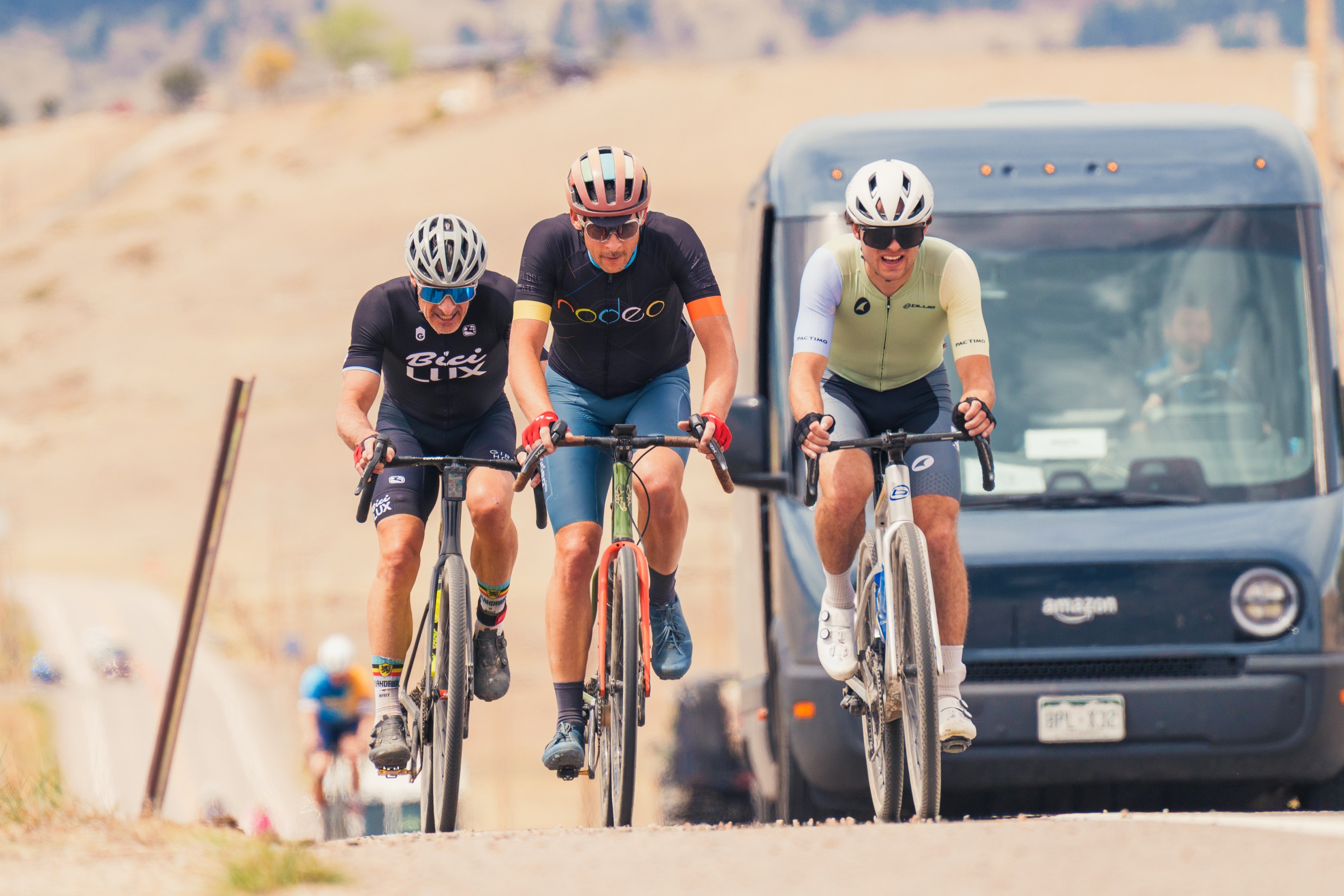
In the end I finished the road race in the exact middle of the results. Part of me was bummed for being a stupid racer, but part of me was content with that. If 6.0 was an “average” road bike, that was pretty decent, considering the competition.
How is Flaanimal 6 for bikepacking?
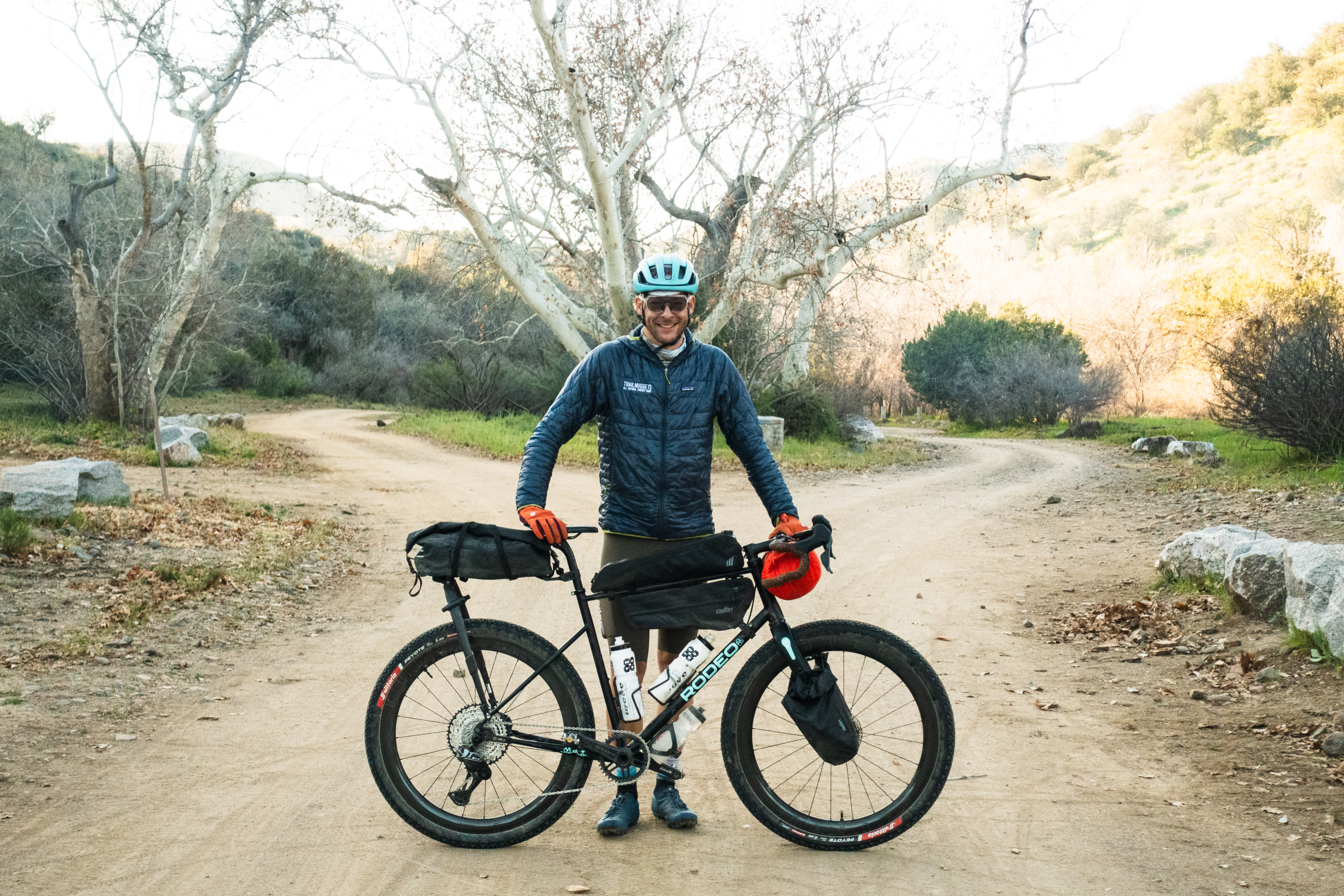
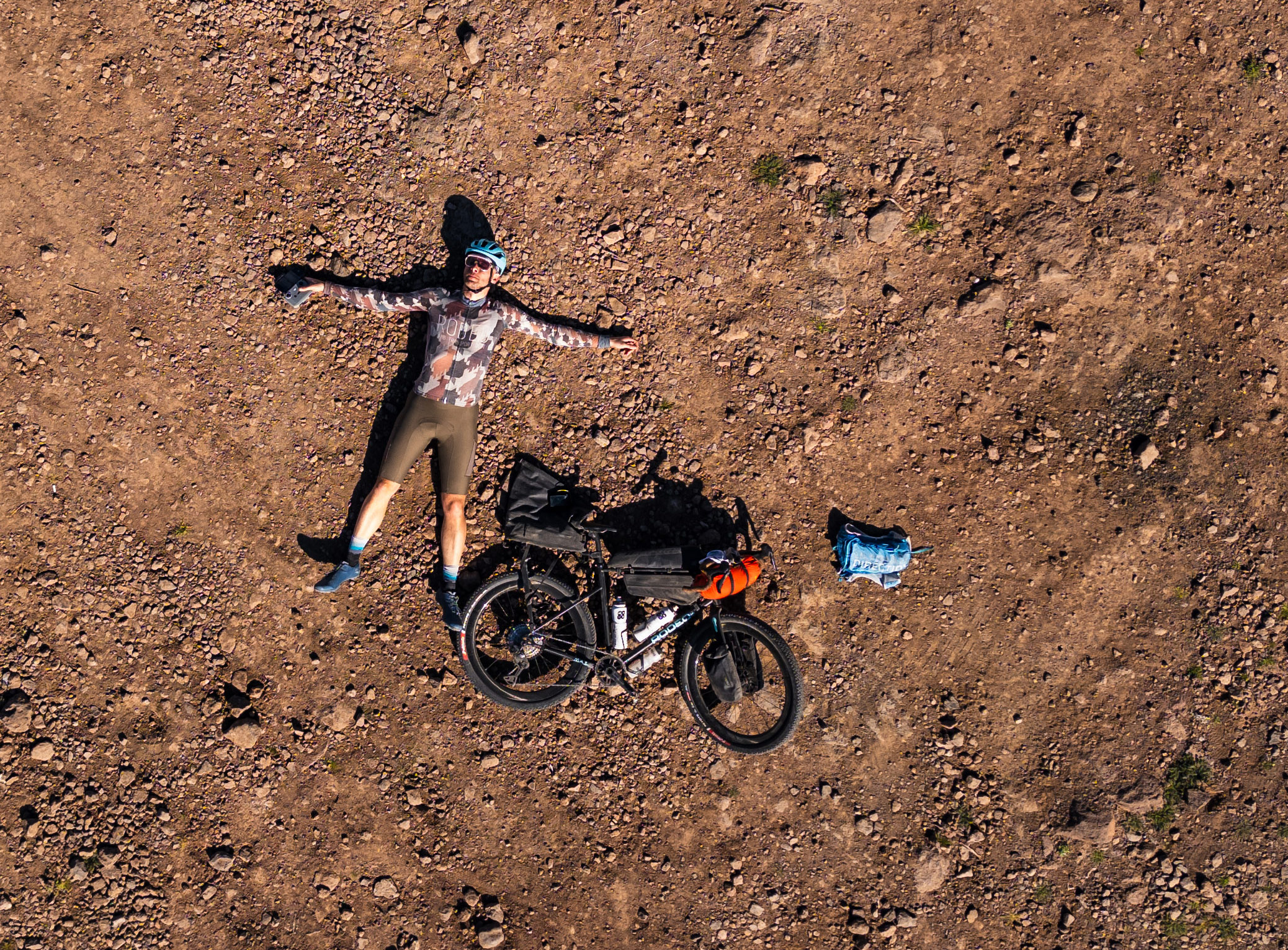
It’s a bit ironic that one of the final things I’m covering in this writeup is bikepacking, since the goal of Flaanimal 6 was to push it’s capabilities further into the aggressive off road spectrum. Maybe that’s because it should be nearly obvious that the bike is better in aggressive conditions, and is thus also better for bikepacking. The biggest loaded experience that I’ve had on the bike to-date was when I took it to the Rodeo Sonoran Migration gathering in Arizona. In those three days we covered 185 mixed terrain miles across the Sonoran desert, and we had an absolute blast riding together. Per usual, we saw a good mix of road, doubletrack, singletrack, and rock gardens – but this time with plenty of gear on the bike to test it’s manners.
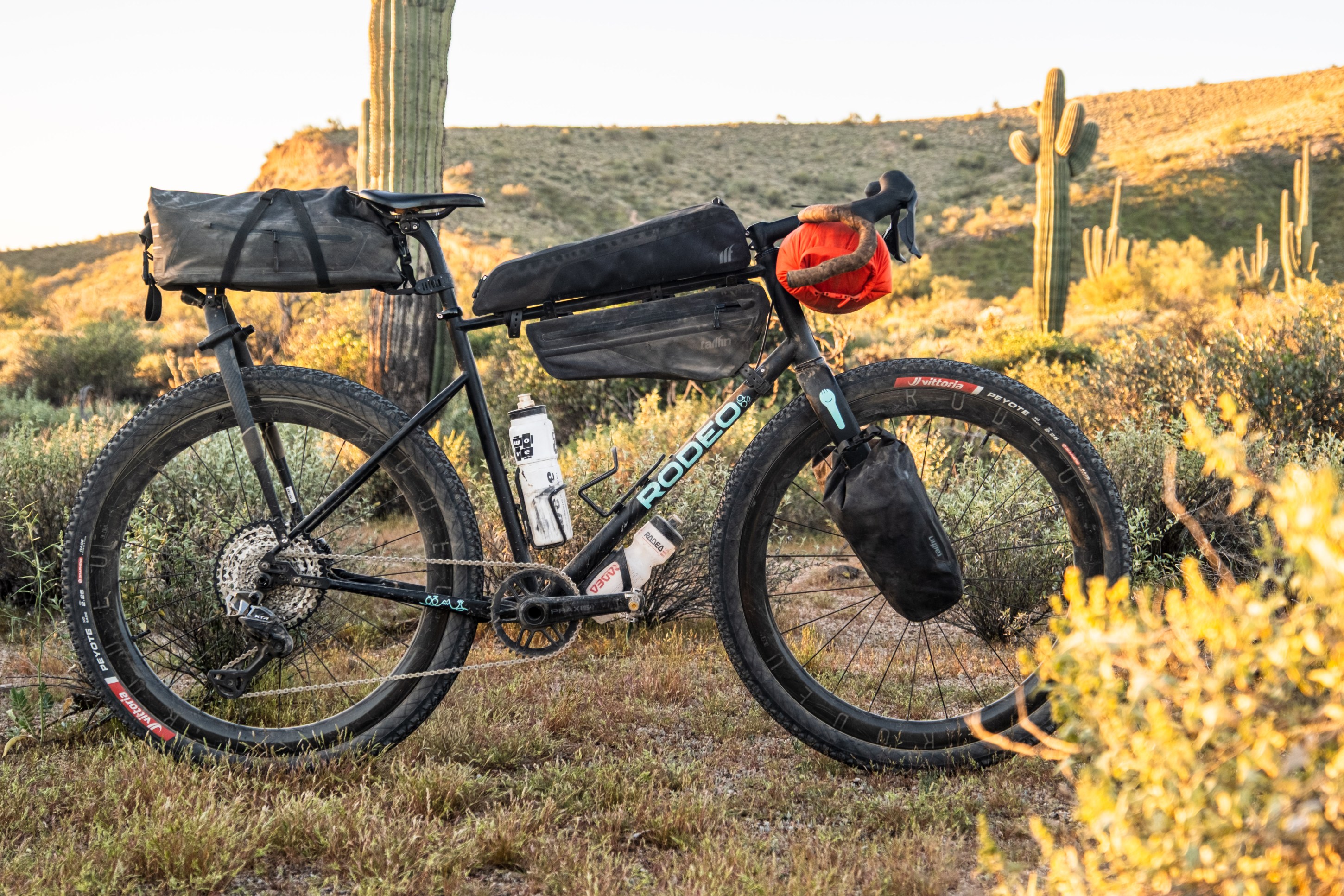
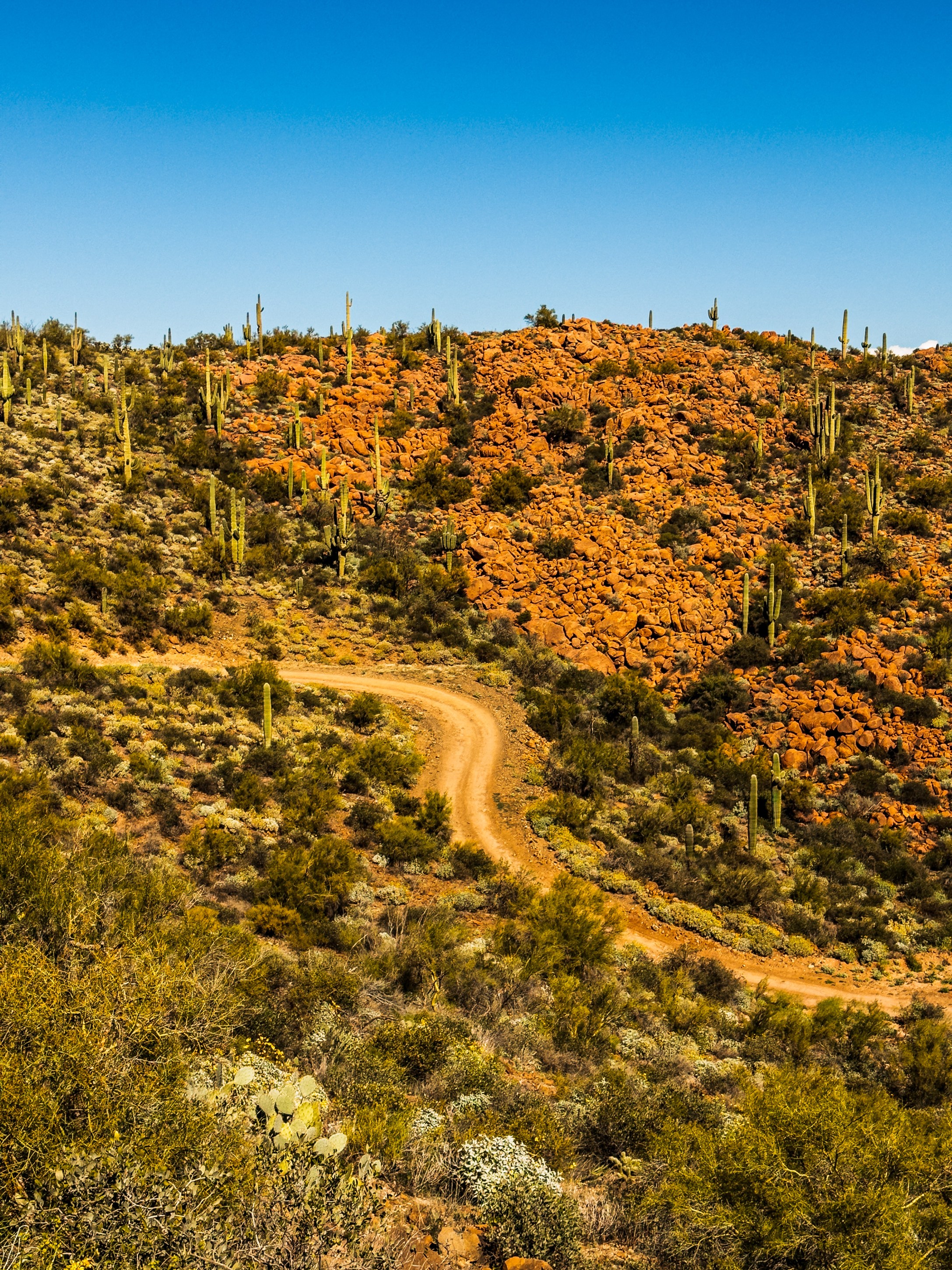

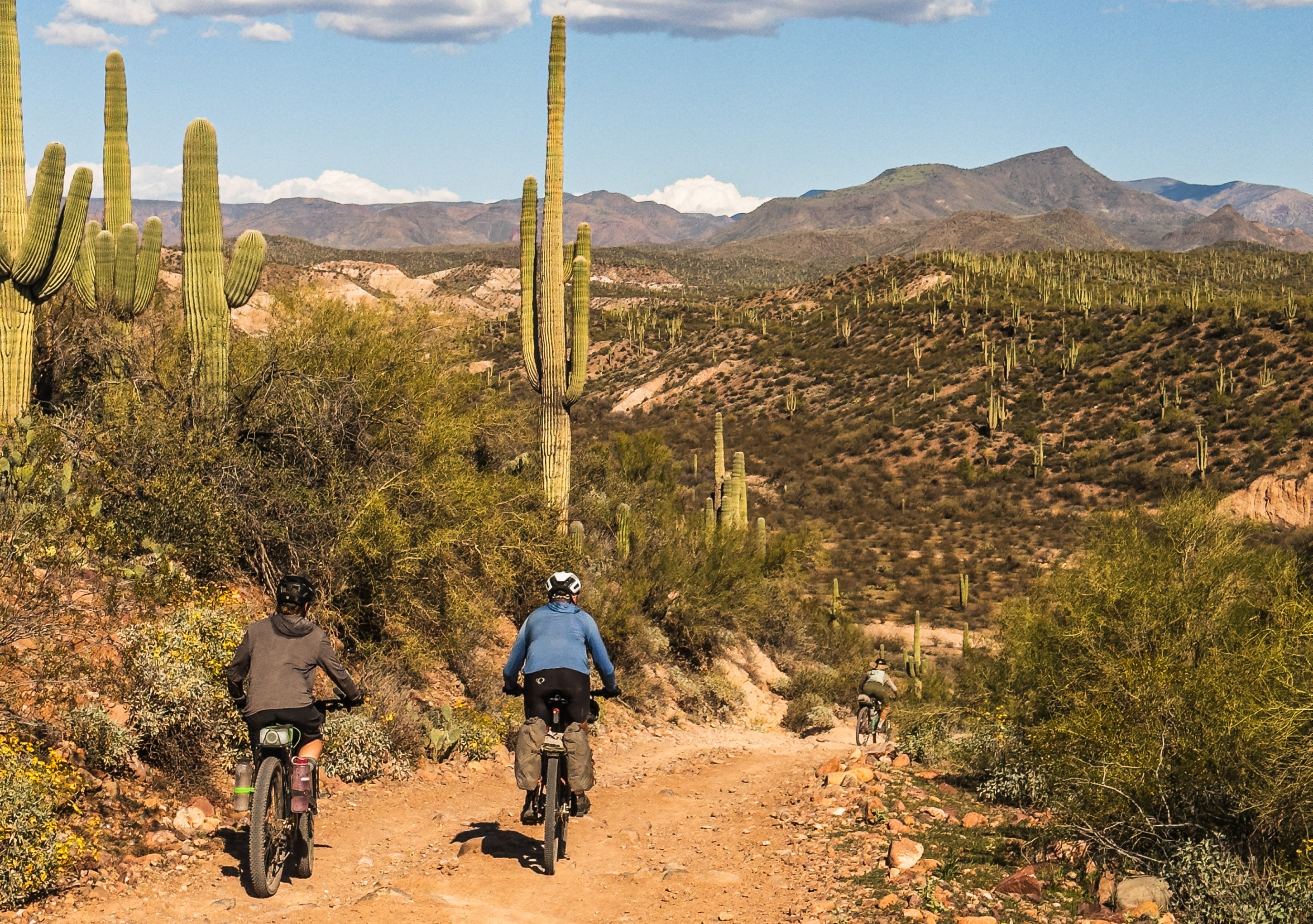
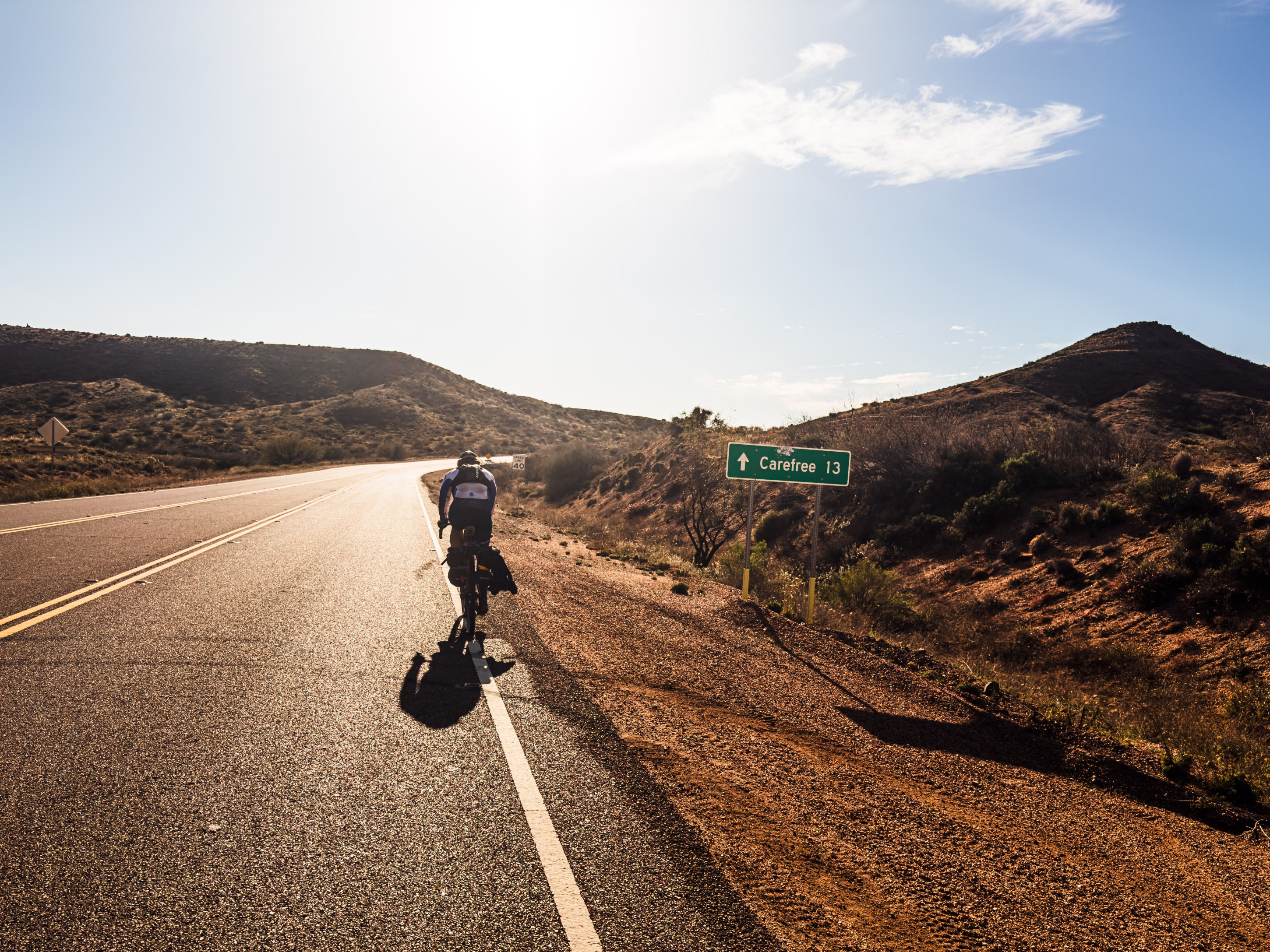
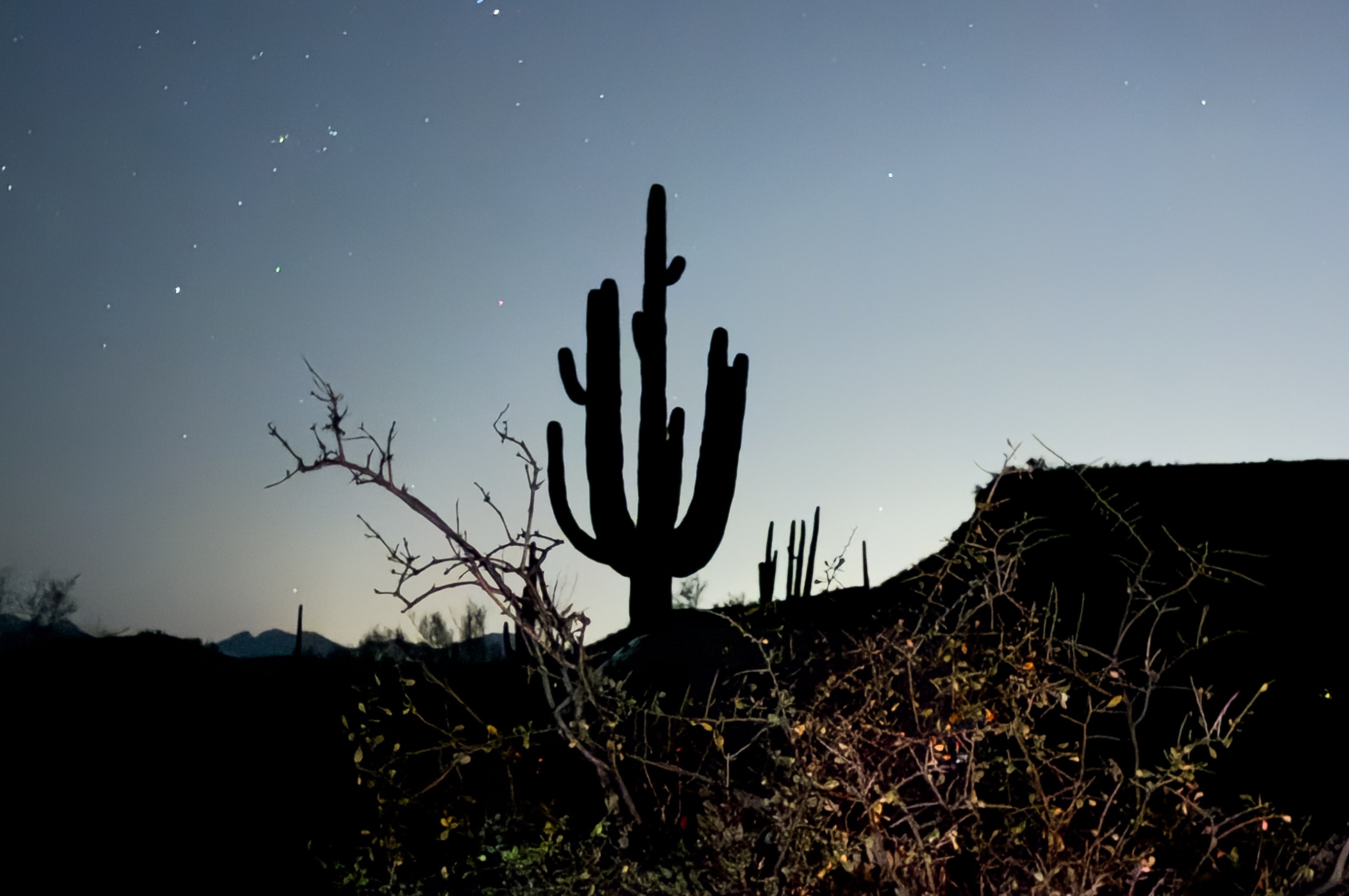

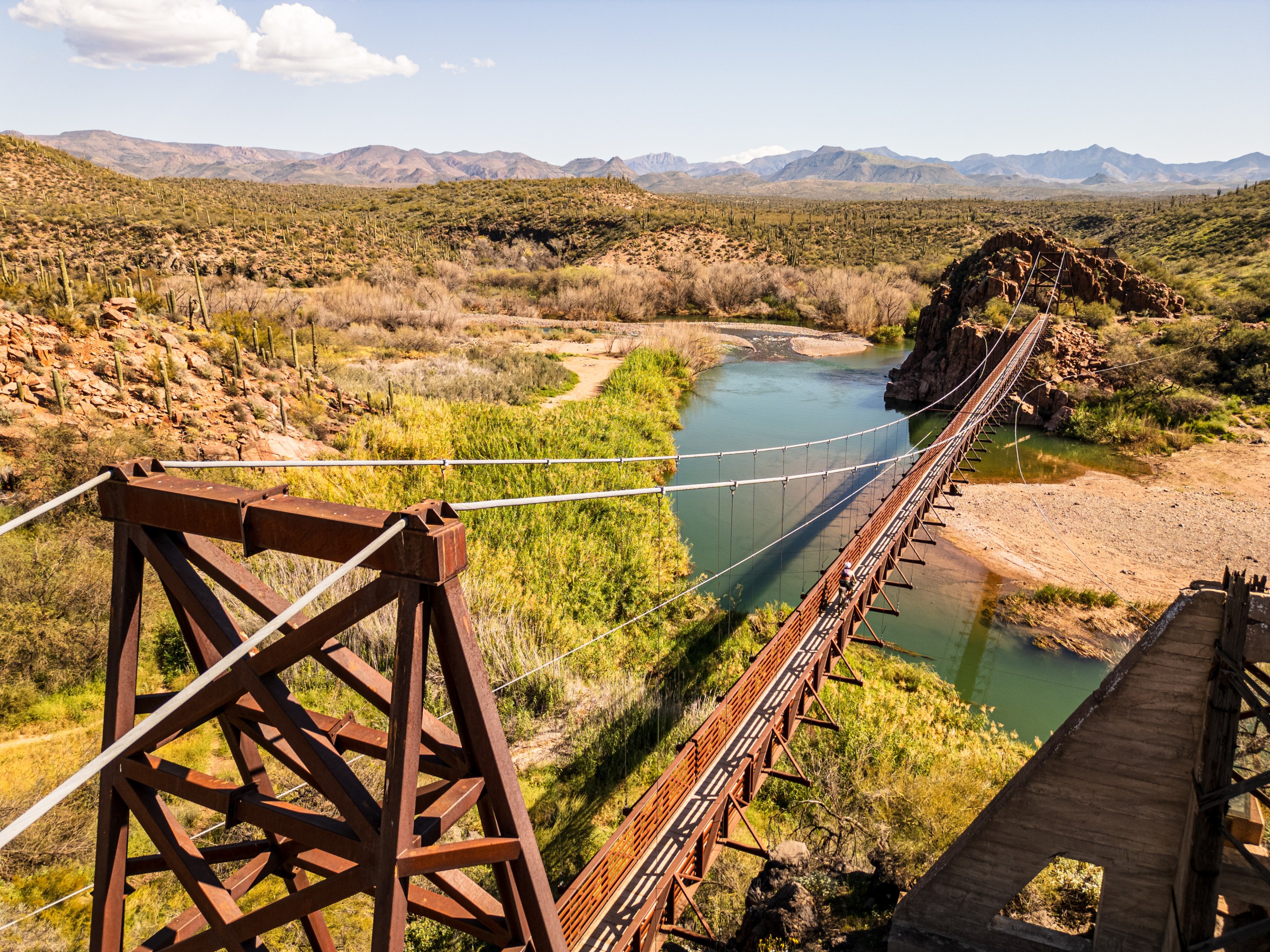
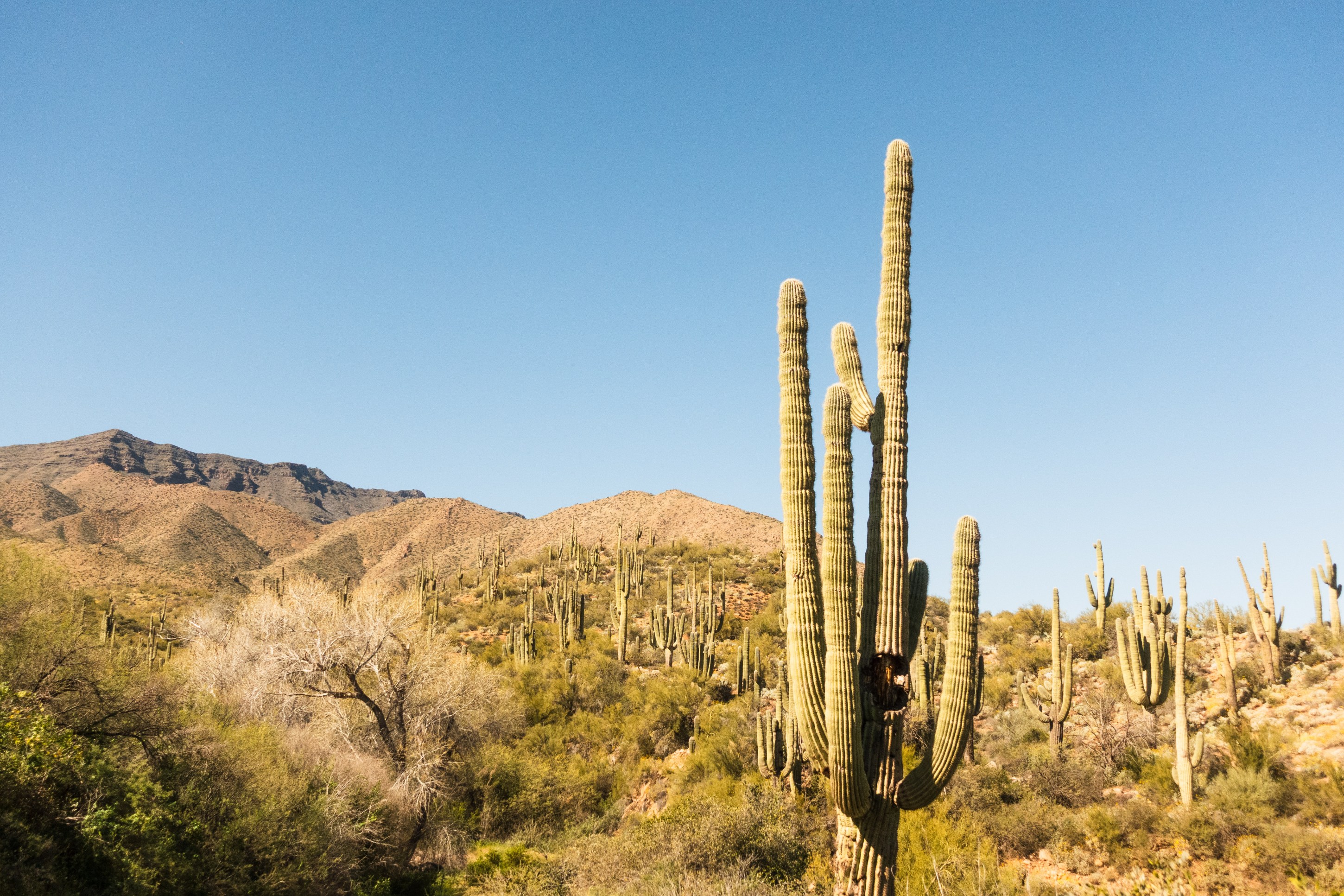
Flaanimal has always been a great bikepacking bike. 5.0 sealed it’s credibilty in history when Jay Petervary won Tour Divide on it in 2021. 6.0 only adds to its capabilities in every dimension, so there aren’t many questions to ask in regards to “is it up to the task”. It just is! In my opinion the two changes that people will appreciate the most in loaded / touring / bikepacking situations is the higher stack, which allows for a more upright and relaxed rider position, and also the increased tire clearance that the frameset allows. The long wheelbase is also nice for stability at speed and through sandy sections. Most riders will never need to run a 700×2.4″ tire, or even a 650b x 2.6″ tire, but if you get into loose, sandy conditions, you might just find yourself reaching for one of those and the Flaanimal will be quick to oblige. And for the rest of you running smaller tires, more tire clearance is more mud clearance, and we all know what a beatuiful thing it is for a frameset to clear mud well on a long tour.
What about 6.0 steel vs 6.0 titanium?
With the advent of 6.0 steel, we’re quite proud to have brought the feature set that first debuted in the 6.0 titanium frame to the far more affordable steel frame. 6.0 Ti retails for $3500 for the frameset. That’s a lot of coin. Now, with the advent of steel, we’re offering everything the $3500 bike does for a starting price of $1650.00 for the base frameset. I think that’s awesome. You get 97% of the performance of Ti for less than half the price.
The Ti frame does weigh about a pound less than the steel, and of course Ti has that nice spring inherent to the metal. Ti also never corrodes or rusts. These are all good things, but they are nice-to-haves, not must-haves.
In terms of ride experience, I would be so bold as to say that 6.0 steel completely matches the ride experience of 6.0 Ti. 6.0 steel is as quick and comfortable as Ti in any way that I’ve realistically been able to notice. If you’re deciding between the two materials it comes down to your prorities and buget, not to compromises and sacrifices that you have to make towards the riding experience.
The geometry of 6.0 steel is more “progressive” and “laid back” than Ti, so if you’re trying to get that low slung gravel racer or road bike fit, the Ti frame will do that. If you want to eliminate toe overlap, or higher stack, 6.0 steel takes the cake at the moment.
Of note though, we’re going to release an “EXT2” geometry option for 6.0 titanium this fall, which exactly matches the 6.0 steel geometry, so if the revisions we’ve made to steel are must-haves for you, but you really want Ti, you can pre-order one of those already.
So that’s it then? You’re saying that 6.0 is perfect?
I haven’t said a lot of negative things about 6.0 in this piece. That means that one of two things can be true:
- I’m full of hype and hot air, and I can’t be objective.
- It’s a pretty damn good bike.
I suppose both of those things can be true at the same time. That might be the most honest assessment of the situation. In my defense I would say that while I do run a bike company and do sell bikes for a living, I’m far more in love with riding bikes than I am with selling them. The path from me being a bike obsessed 11 year-old to a bike company founder has been an unexpected joy of my life, and I’m not about to sell out that passion to sell a product that I don’t think is good and proven.
Never in my wildest dreams could I have hoped that this is where I would end up at this point in my life. I’m a part of the industry machine now, but I’m also still just that kid who found his life’s passion and gets to ride and live it every day. I think that sentiment is also shared by the team here at Rodeo that designs, builds, paints, ships, and provides customer service for our bikes. We genuinely love this stuff.
If I tell you that the Flaanimal 6.0 steel is the best bike in the world or the best bike in its category, I’m a liar. I’m not qualified to say and the bike can’t claim that. But as someone who loves bikes and loves riding them hard and far, I do feel qualified to truthfully state that 6.0 Steel is the best and most capable Flaanimal yet. It’s easily the best value in our history as well.
It’s not the fastest, it’s not the slowest, it’s not they anything-est. But it is still very-well answering that original question: “how much can one bike do?”
If you’ve still got questions of your own, feel free to drop them into the comments below and I’ll get them answered.

5 responses to “Ride Impressions: 7 months of Flaanimal 6 Steel”
Great write up and congrats on another great model release.
Thanks Tommy! I appreciate that!
The photography, the writing, the bikes–all top class!
Always appreciate reading your thoughts!
I’ve been toying with the idea of simplifying life by consolidating my gravel/bike packing rig and my road bike. One less bike to maintain. More storage space in my garage, and more flexibility when I travel. With that in mind and having read this post, I’m really excited to try a steel 6.0 next week while in Denver.